Craving more space, quiet nights, and weekend trail time without giving up Los Angeles access? Old Agoura might be your sweet spot. This semi-rural pocket of Agoura Hills offers larger lots, a strong equestrian culture, and easy connections to the Santa Monica Mountains. In this guide, you’ll learn what daily life looks like, the types of homes you’ll find, practical considerations like utilities and wildfire readiness, and a buyer checklist to help you shop with confidence. Let’s dive in.
Location and vibe
Old Agoura sits on the western and southwestern edge of Agoura Hills, inland of the Santa Monica Mountains. You get a calm, low-density neighborhood with quiet streets and an outdoor-forward lifestyle. Commerce is limited inside the neighborhood, which keeps things residential and peaceful. Many buyers choose Old Agoura to enjoy privacy while staying within reach of jobs across the greater Los Angeles area.
Homes and lot sizes
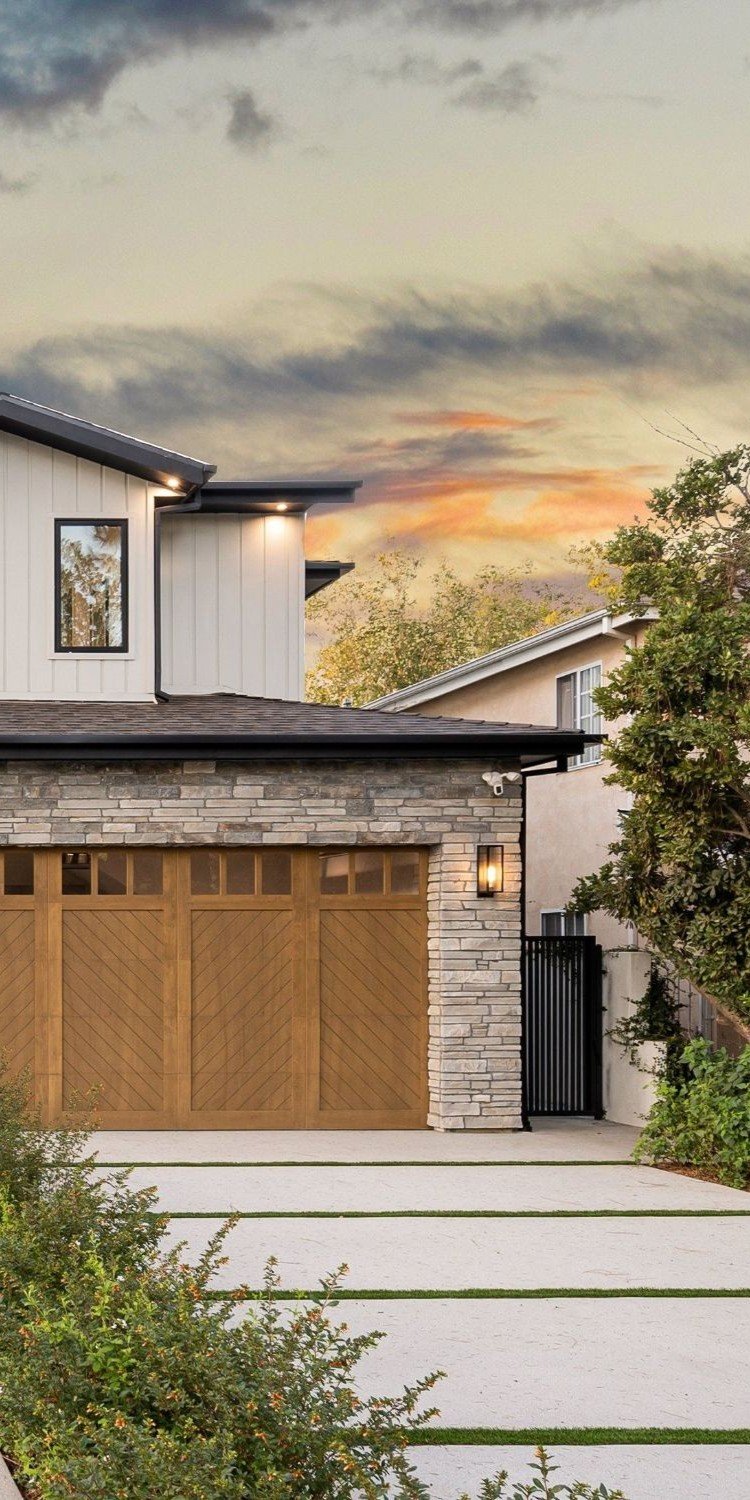
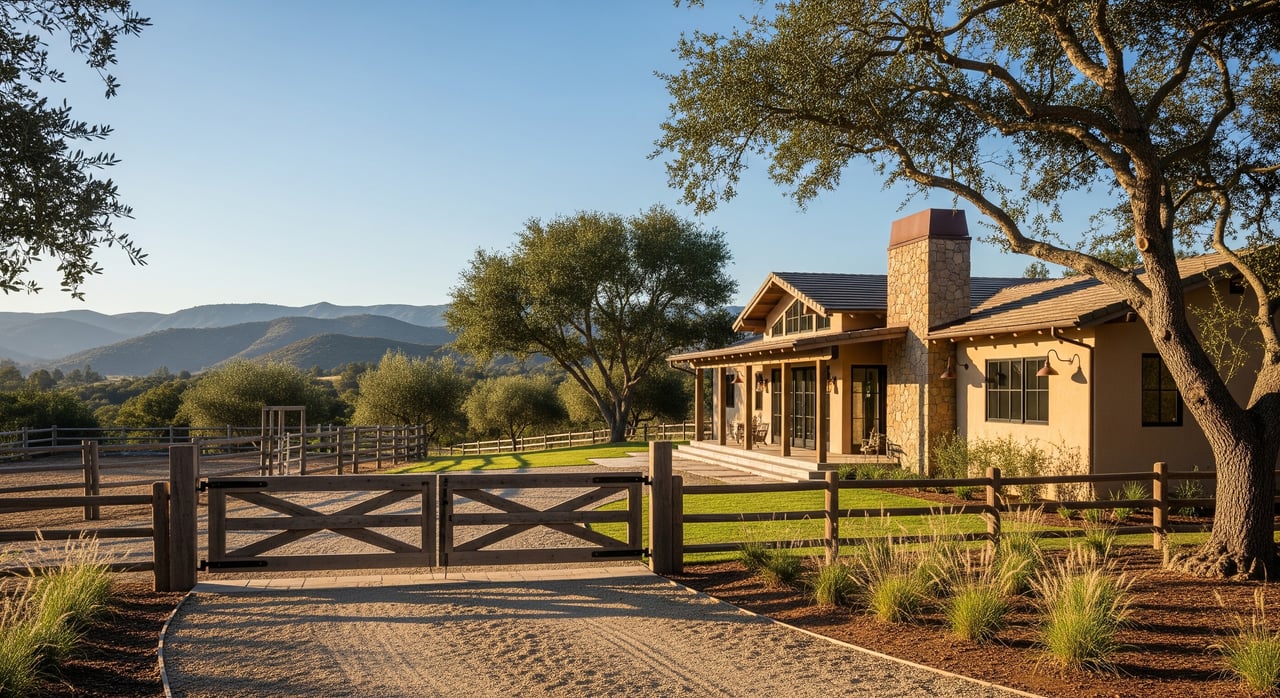
You’ll mostly see single-family homes here. Styles range from ranch and Spanish-influenced to more contemporary suburban builds, including renovated properties. Lots tend to be larger than in many Los Angeles County neighborhoods, including small acreage and estate-style parcels. Equestrian-ready features like corrals, paddocks, barns, and tack rooms are more common than you’ll find in most suburban communities.
Outdoor access and trails
Living in Old Agoura puts you near the Santa Monica Mountains and a network of local bridle paths. Many properties connect directly or by short rides to neighborhood bridle routes and regional trailheads. You can hike, mountain bike, or ride horses into open-space canyons and parklands. Nearby destinations include Malibu Creek-area trail systems and connectors into the broader backbone network.
Daily conveniences
Old Agoura is residential, so you’ll do most errands along Thousand Oaks Boulevard, Kanan Road, and near the 101 corridor in central Agoura Hills. You’ll find grocery options, everyday services, and casual dining within a short drive. For larger shopping centers, hospital services, or bigger entertainment venues, many residents head to Thousand Oaks and other Conejo Valley hubs. The vibe remains small-town and easygoing, especially on weekdays.
Schools and family services
Old Agoura is served by the Las Virgenes Unified School District. If schools are part of your decision, review current boundary maps and publicly available performance data directly from the district and the California Department of Education. You’ll also find private school options and preschools in Agoura Hills and nearby communities like Calabasas and Westlake Village. Always confirm school assignments for a specific address before you make a final decision.
Getting around
Old Agoura is car-dependent. U.S. Route 101 is your main artery for commuting east toward the San Fernando Valley or downtown Los Angeles and west toward Ventura County and the coast. Public transit is more limited compared with inner Los Angeles, and regional rail or major bus lines typically require a short drive to a station or transfer point. Many buyers accept some commute time to gain the neighborhood’s space and tranquility.
Natural hazards and preparedness
Old Agoura sits within the wildland–urban interface of the Santa Monica Mountains, so wildfire preparedness matters. You should plan for brush clearance, defensible space, and fire-hardening upgrades such as ember-resistant vents and Class A roofing. Evacuation planning and insurance review are part of routine readiness. Native wildlife is common in open-space-adjacent areas, so you may encounter deer, coyotes, bobcats, or rattlesnakes, and you should practice tick awareness on trails.
Zoning and equestrian notes
Many parcels in Old Agoura allow horses or equestrian facilities, though specific rules vary by address and zoning. Setbacks, maximum animal counts, manure management, fencing, and stable standards can be shaped by slope, hillside conditions, and protected vegetation like oak trees. Some properties fall under HOA rules or community covenants, while others do not. If you plan to keep horses, verify permitted uses, past permits for barns or arenas, water access, and any trail or bridle-path easements that cross the property.
Utilities and infrastructure
Most homes have municipal water and sewer, but some larger or more rural-feeling lots may use private septic systems and, in some cases, wells. Confirm the setup before you write an offer, since it can affect inspections, maintenance, and long-term costs. In lower-density pockets, lighting and road maintenance can be more limited, and private roads or bridges may have shared responsibilities among neighbors. Clarify access, maintenance agreements, and gate situations early in your process.
Market context
Home prices in Old Agoura tend to be higher than the Los Angeles County median. Larger lots, equestrian amenities, and proximity to protected open space add value. You’ll see a range from smaller, older homes at the lower end to renovated residences and equestrian estates on the higher end. Market conditions change, so track current inventory and time-on-market trends through recent data as you plan your move.
Buyer checklist for Old Agoura
Use this quick list to focus your search and due diligence:
- Utility setup. Is the property on municipal water and sewer, or does it have a septic system and possibly a well?
- Easements and access. Are there recorded easements, including trail or bridle-path access, or any public right-of-way across the parcel?
- Equestrian facilities. What structures are included, and are stalls, shelters, arenas, or fences permitted and documented?
- Rules and restrictions. Are there HOAs, CC&Rs, or local ordinances affecting horse keeping, rentals, exterior changes, or solar installations?
- Wildfire readiness. What is the property’s wildfire zone designation, and are there recent defensible-space or tree-trimming reports? Has fire-hardening been completed?
- Protected vegetation. Are there oak-tree or other protected-vegetation restrictions that could influence landscaping or future projects?
- Access and maintenance. Who maintains any private road, shared gate, or bridge, and what are the costs or agreements?
Key inspections for semi-rural properties
When you go under contract, prioritize these inspections and assessments:
- Septic and well. If present, complete a septic system inspection and well water quality and yield testing.
- Structures. Inspect roofing, foundations, and any barns, outbuildings, or arenas for condition and safety.
- Pest and wood-destroying organisms. Include barns, fences, and gate posts in the scope of work.
- Fire-hardening and defensible space. Evaluate roofing, vents, siding, and vegetation clearance relative to current guidance.
- Survey and boundaries. Confirm lot lines and the exact placement of fences, corrals, and easements.
Life in Old Agoura
Day to day, life here is about space, privacy, and the outdoors. Weekend mornings often start with trail rides or hikes, and evenings stay quiet. Community events are usually centered on Agoura Hills programs, farmers markets, and volunteer groups connected to parks and open space. If you want a peaceful base with quick access to the 101 and the mountains, you will likely feel at home.
Is Old Agoura a fit for you?
Choose Old Agoura if you value larger lots, the option to keep horses, and direct connections to trails. Expect a car-forward lifestyle and plan for wildfire readiness and ongoing landscape care. If you are open to a short drive for shopping and dining, you’ll gain a serene neighborhood that still connects to the wider Conejo Valley and Los Angeles job centers. With the right prep and inspections, you can buy with confidence.
Ready to explore homes or get a property-specific game plan? Reach out to the team that knows the Conejo Valley and nearby communities well. Connect with Sarah Quaker for personalized guidance on buying, selling, leasing, or property management.
FAQs
What is Old Agoura’s location within Agoura Hills?
- Old Agoura lies on the western and southwestern edge of Agoura Hills, near the Santa Monica Mountains on the inland side.
What types of homes are common in Old Agoura?
- You’ll mainly find single-family homes on larger lots, with ranch, Spanish-influenced, and contemporary styles, plus equestrian-ready properties.
How are schools organized for Old Agoura addresses?
- The neighborhood is served by Las Virgenes Unified School District; confirm current boundaries and data with the district for any specific address.
What is the commute like from Old Agoura?
- Most residents use cars and access U.S. Route 101 for east–west travel; commute times vary by destination and time of day.
Are there public transit options near Old Agoura?
- Transit is more limited than inner Los Angeles; regional rail or major bus lines typically require a short drive to nearby stations.
What wildfire considerations should buyers plan for?
- Plan for defensible space, brush clearance, fire-hardening features, evacuation readiness, and an insurance review tied to local hazard zones.
Are septic systems common in Old Agoura?
- Many homes use municipal sewer, but some larger or more rural-feeling properties have septic systems; verify before you make an offer.
Can you keep horses on most Old Agoura properties?
- Many parcels allow horses, but rules and counts vary by zoning and property specifics; confirm permitted uses and any equestrian easements.
Are there HOA rules in Old Agoura?
- Some properties have HOAs or community covenants while others do not; review CC&Rs and local ordinances during due diligence.
Where do residents shop and dine?
- Most errands and dining are along Thousand Oaks Boulevard, Kanan Road, and near the 101 corridor in central Agoura Hills, with larger centers in nearby Conejo Valley.