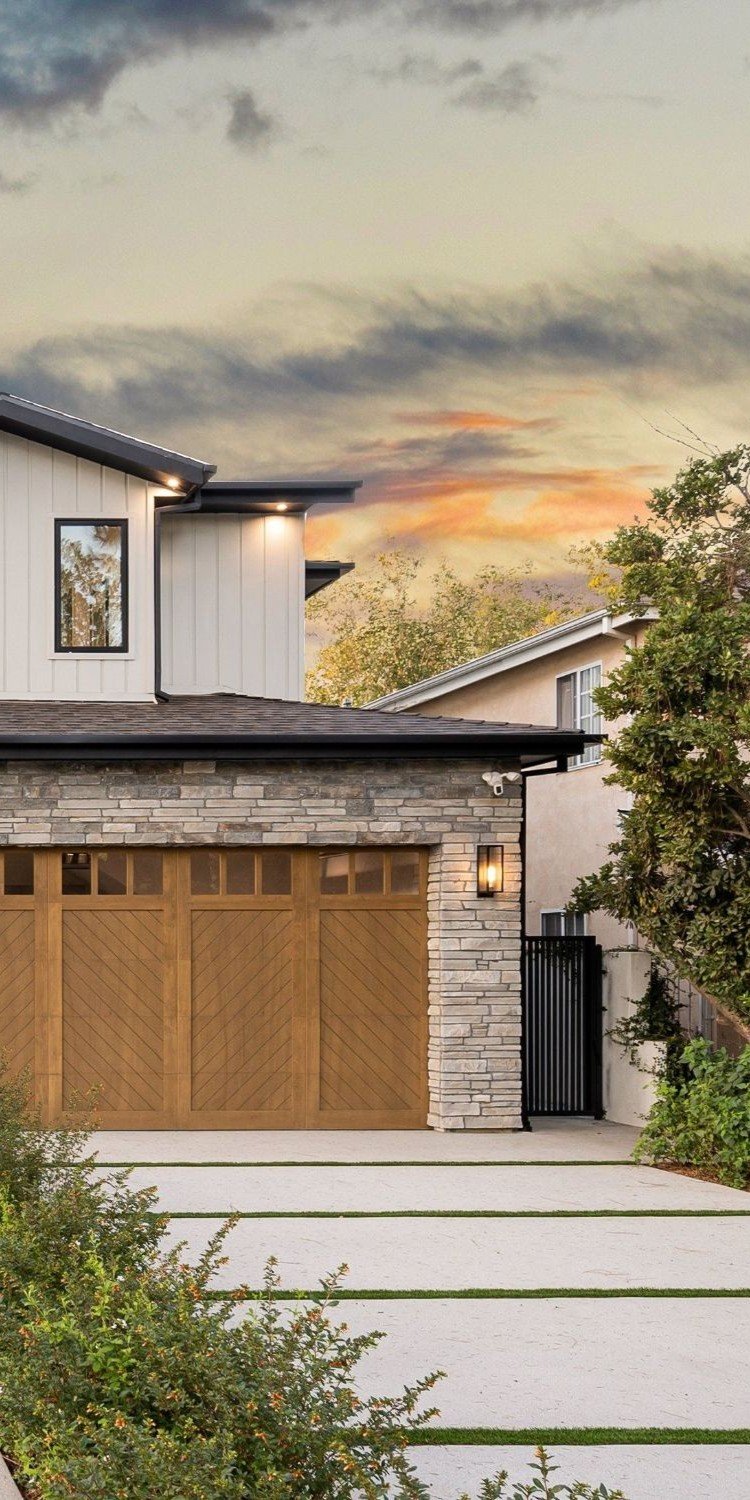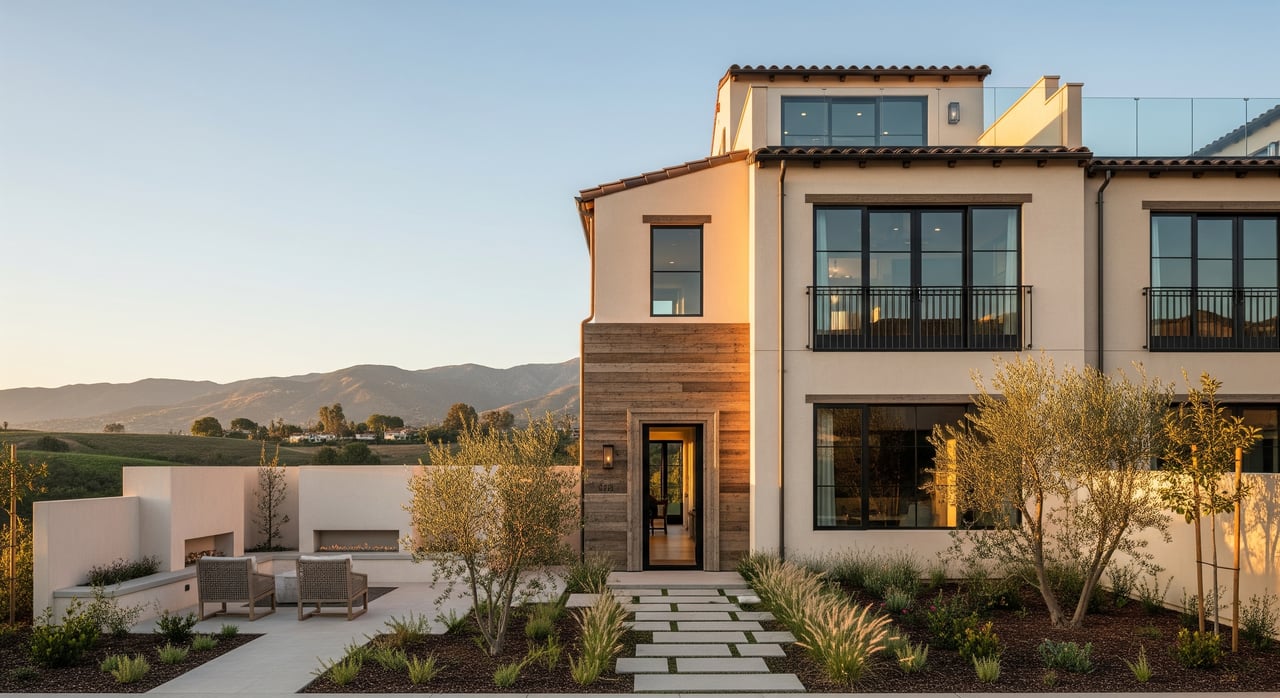
Trying to choose between a townhome and a detached house in Simi Valley? You are not alone. With varied neighborhoods, convenient commutes, and an outdoor-friendly climate, it can be tough to know which property type fits your budget and lifestyle. In this guide, you will learn how monthly costs compare, what HOAs really cover, and how features like yards, garages, and commute routes play into daily life and resale value. Let’s dive in.
Simi Valley at a glance
Simi Valley sits in eastern Ventura County within the Los Angeles–Long Beach–Glendale metro area. You have freeway access along SR 118, SR 23, and U.S. 101, plus a Metrolink station on the Ventura County Line that benefits commuter buyers. Location and commute options often influence whether a smaller low-maintenance townhome or a larger detached home makes sense.
The climate is Mediterranean with hot, dry summers and mild winters. Drought-conscious landscaping and water costs should be part of your budget, especially if you want a larger yard. In hillside zones near the Santa Susana Mountains, check wildfire maps and insurance needs. Families often consider Simi Valley Unified School District performance and school data from state sources when comparing neighborhoods. Keep all of this in mind as you weigh townhome versus house.
Cost comparison: monthly and total
The best way to compare a Simi Valley townhome and a detached single-family home is to look at the full monthly picture, not just the mortgage. Use the same assumptions for both property types so you can compare apples to apples.
Core monthly items to include
- Mortgage principal and interest: Base this on your loan program, rate, and down payment.
- Property taxes: Under California Prop 13, plan around 1 percent of assessed value plus voter-approved local assessments.
- Homeowners insurance: Detached homes usually require full structure coverage. Townhomes may rely on a master policy for exterior elements, with owners carrying an HO-6 policy for interiors and personal property.
- HOA dues: Common for townhomes and some planned developments. Dues are a fixed monthly expense and count toward loan qualification.
- Mortgage insurance: Applies if your down payment is below 20 percent.
- Utilities: Water, sewer, electricity, gas, trash. Larger yards can increase irrigation costs in Simi’s dry summers.
- Maintenance and reserves: For detached homes, a conservative rule is 1 to 2 percent of home value per year. For townhomes, budget for interior upkeep while understanding the HOA funds exterior and common-area needs through dues and reserves.
- Landscaping and garden care: Detached homes with lawns or larger plantings usually cost more to water and maintain. Xeriscaping can reduce costs.
Sample monthly-cost framework
Create two side-by-side scenarios using current local prices and fees you collect from active listings and your lender.
Townhome example checklist:
- Purchase price and loan assumptions
- Property tax estimate using assessed value
- Homeowners insurance (HO-6) estimate
- HOA dues and what they cover
- Utilities estimate
- Interior maintenance reserve
- Total monthly cost
Detached home example checklist:
- Purchase price and loan assumptions
- Property tax estimate using assessed value
- Homeowners insurance estimate for full structure
- Utilities estimate including irrigation for yard
- Maintenance reserve at 1 to 2 percent annually, divided monthly
- Landscaping or gardener cost
- Total monthly cost
Sensitivity to rates and HOA fees
- Interest rate change: A 0.5 percent rate move can shift your monthly payment enough to change what you qualify for. Ask your lender for a range.
- HOA change: A $100 to $200 monthly HOA difference can offset a lower purchase price. Since dues count in debt-to-income ratios, they directly affect borrowing power.
HOA tradeoffs and what to check
Many Simi Valley townhomes are in communities with homeowner associations. HOAs can simplify ownership, but you should read the documents closely.
What HOAs often cover:
- Exterior maintenance and roof (project dependent)
- Landscaping of common areas and sometimes trash
- Master insurance for common elements
- Amenities such as a pool, clubhouse, or security
What you still pay:
- Interior repairs and finishes
- Personal property and interior insurance (HO-6)
- Utilities tied to your unit
- Special assessments if reserves are insufficient
Key documents to request before you buy:
- HOA budget and most recent financials
- Reserve study and capital projects list
- Meeting minutes for the past 12 months
- CC&Rs, bylaws, and rules and regulations
- Insurance certificate and master policy details
- Estoppel certificate showing balances and assessments
Red flags to watch for:
- Unusually high or rapidly rising dues without a clear explanation
- Low reserves or no recent reserve study
- Ongoing litigation noted in minutes
- Strict rental caps that may narrow your future buyer or renter pool
Lifestyle fit in Simi Valley
Different life stages value different features. Match your priorities to the property type and location.
First-time buyers
- Lower entry price and less exterior upkeep can make a townhome a smart start.
- Confirm whether garages are attached or if parking is assigned, and check storage capacity for bikes and gear.
- If future rental flexibility matters, review HOA rental rules.
Move-up buyers and families
- Detached homes often deliver larger yards, multiple-car garages, and privacy that many families want.
- Neighborhood schools and proximity to parks and shopping often weigh into the choice of a detached home.
- Consider noise exposure from freeways or rail lines when you tour.
Downsizers and empty nesters
- Townhomes or smaller detached homes with drought-tolerant yards are appealing for low maintenance.
- Single-floor layouts can help with mobility, and HOAs can reduce exterior responsibilities.
Outdoor living and yard costs
- Simi’s climate encourages year-round outdoor space, but water costs can rise with turf. Xeriscaping techniques can help keep bills predictable.
- Larger detached lots may require irrigation updates or smart controllers to manage usage.
Resale and financing differences
Buyer pools and loan rules vary by property type, which affects your long-term plan.
Resale considerations
- Townhomes: Attractive to first-time buyers, young professionals, downsizers, and some investors if rentals are allowed. Lower price points can broaden demand.
- Detached homes: Often draw families and move-up buyers who value lot size and privacy. Larger buyer pools can help resale, but price points and maintenance can narrow affordability.
Financing notes
- Detached homes: Generally straightforward for conventional, FHA, and VA loans.
- Townhomes: If legally a condo project, some loans like FHA or VA may require project approval. Ask your lender to check.
- Qualification: HOA dues count in debt-to-income ratios, and disclosed special assessments may count as obligations.
Commute, noise, and neighborhood context
Simi Valley’s location gives you multiple commute routes and a Metrolink option. Touring both townhomes and detached homes across different neighborhoods can help you balance convenience with lifestyle.
- Proximity: Check drive times along SR 118, SR 23, and U.S. 101 based on your typical schedule.
- Noise and privacy: Shared walls are common in townhomes, while detached homes offer more separation. Evaluate freeway or rail proximity during peak hours.
- Hazard and insurance: Review wildfire risk and confirm insurance quotes early, especially for hillside properties.
A simple decision matrix you can use
Use this grid to compare two real listings side by side. Fill in real numbers from the MLS sheet, HOA documents, your lender, and insurance quotes.
| Criteria | Listing A | Listing B |
|---|---|---|
| Address / MLS # | ||
| Property type | Townhome or Detached | Townhome or Detached |
| Purchase price | ||
| Square footage | ||
| Lot or yard size | ||
| Beds / Baths | ||
| Garage / Parking | ||
| Mortgage estimate (P&I) | ||
| Property tax estimate | ||
| Insurance estimate | ||
| HOA dues and coverage | ||
| Utilities estimate | ||
| Maintenance reserve | ||
| Landscaping cost | ||
| Total monthly cost | ||
| School data to review | ||
| Commute time notes | ||
| Resale buyer pool | ||
| Financing notes (FHA/VA) | ||
| Pros and cons |
How to build your true monthly number
Follow these steps for any Simi Valley property you are considering.
- Get today’s prices and HOA fees
- Pull recent sold comps and active listings for townhomes and detached homes in your target area. Note HOA dues and what they include.
- Confirm loan terms
- Ask your lender for a written estimate at your target price with rate options, down payment scenarios, monthly mortgage insurance if applicable, and how HOA dues affect qualification.
- Estimate taxes, insurance, and utilities
- Use assessed value to estimate property taxes under Prop 13, then add local assessments. Collect insurance quotes that reflect hazard exposure. For utilities, include irrigation if a larger yard is involved.
- Budget for maintenance and landscaping
- Detached homes: plan 1 to 2 percent of value per year, adjusted for age and condition. Townhomes: focus on interior upkeep and understand the HOA’s reserve funding for exterior items.
- Test sensitivities
- Re-run monthly totals with a slightly higher rate and alternate HOA scenarios to see how much cushion you have.
What fits you: quick guide
- Choose a townhome if you want a lower entry price, less exterior maintenance, and convenience near services, and you are comfortable with HOA rules and a fixed monthly dues bill.
- Choose a detached house if you want more private outdoor space, storage and garage capacity, and flexibility to modify your property, and you are ready for higher maintenance responsibility.
Ready for local, hands-on guidance?
If you want help gathering HOA documents, confirming loan program options for townhomes versus detached homes, and building a clear, line-by-line monthly budget, our team is here to help. As a full-service advisor in Ventura County, we can guide you from purchase to leasing or property management if your plans change later.
Reach out to Sarah Quaker for a friendly, data-informed consultation centered on your budget, commute, yard and garage needs, and long-term goals.
FAQs
Which is cheaper monthly in Simi Valley, a townhome or a detached house?
- Townhomes often have lower purchase prices, but HOA dues are a fixed monthly cost that can offset the savings; the answer depends on dues, insurance, taxes, and maintenance for each property you compare.
What do HOA dues typically cover for Simi Valley townhomes?
- Many HOAs fund exterior maintenance, common-area landscaping, master insurance, and amenities; you still handle interior repairs, HO-6 insurance, utilities, and any special assessments.
Do townhomes appreciate as well as detached houses in Simi Valley?
- Detached homes often benefit from lot value and broad buyer appeal, while townhomes draw strong entry-level and downsizer demand; local comps and holding period matter most for your outcome.
Are there special loan rules for buying a townhome or condo?
- Some loans like FHA or VA may require condo project approval if the townhome is part of a condo association; your lender can verify project status and how HOA dues affect qualifying.
How much should I budget for maintenance and landscaping?
- For detached homes, a common rule is 1 to 2 percent of value per year plus yard care; for townhomes, budget for interior upkeep while the HOA reserves cover exterior items via dues.
What if I want to rent the property later?
- Review HOA CC&Rs for rental caps and rules, since restrictions can affect both rental plans and future resale; confirm any limits before you buy.