If you picture Westlake Village as just a place with nice weather, you are only seeing part of the story. What makes outdoor living here stand out is how easily it can become part of your normal day, whether that means a morning walk, time at a neighborhood park, or dinner on the patio after work. If you are buying, selling, or simply thinking about how lifestyle and home value connect, this guide will help you see how outdoor living fits into Westlake Village neighborhoods. Let’s dive in.
Why outdoor living feels natural here
Westlake Village is a master-planned community on the Los Angeles and Ventura County border with 20 neighborhoods and a wide mix of housing, including condos, townhomes, single-family homes, lakefront residences, mobile homes, and view-oriented estates. That variety matters because outdoor living shows up in different ways across the city, from compact patios to larger yards and view-focused spaces. In other words, outdoor space here is often part of the neighborhood identity.
The setting also supports year-round use. Using nearby Camarillo AP as a climate proxy, NOAA data for 1991 through 2020 shows a mean annual temperature of 62.5°F, an average annual high of 73.0°F, an average annual low of 52.0°F, and average annual precipitation of 12.01 inches. Summer highs tend to stay in the upper 70s to about 80°F, while winter highs remain in the upper 60s.
That weather is only part of the appeal. The City of Westlake Village describes the area as an ideal place for walking, running, and biking, supported by exceptional sidewalks, bike lanes, and weather. The city also maintains more than 340,000 linear feet of sidewalks, which helps turn outdoor activity into an everyday routine instead of a special occasion.
How neighborhoods support outdoor life
The best outdoor neighborhoods are often the ones where access feels easy and consistent. In Westlake Village, that can mean living near a park, close to a trail connection, or in an area where sidewalks and streets make walking simple. For many buyers, that kind of daily usability matters as much as the home itself.
Trust for Public Land estimates that 87% of Westlake Village residents live within a 10-minute walk of a park. It also reports that 38% of city land is used for parks and recreation. Those numbers support what many local residents already experience firsthand: outdoor space is woven into the city, not pushed to the edges.
The city has seven parks:
- Berniece Bennett Park
- Canyon Oaks Park
- Foxfield Park
- Russell Ranch Park
- Three Springs Park
- Westlake Village Community Park
- Westlake Village Dog Park
This network gives different neighborhoods different outdoor rhythms. Some areas feel shaped by nearby pocket-style parks and walking paths, while others connect more directly to larger multi-use recreation spaces or trail systems.
First Neighborhood and Berniece Bennett Park
One of the clearest examples of neighborhood-scale outdoor living is the First Neighborhood around Berniece Bennett Park. The park includes a basketball court, large grassy area, picnic pavilion, playground, restrooms, and a walking path. For a buyer, that can translate into easy access to casual outdoor time without needing to plan a full outing.
This kind of nearby park access often changes how a neighborhood feels day to day. Instead of treating outdoor time as something you drive to, you can build it into your normal routine. That can be especially appealing if you want a community where movement and recreation feel close at hand.
Areas near the community park and trails
Westlake Village Community Park is the city’s largest multi-use park at 18 acres. It includes eight acres of lighted synthetic turf fields, a walking and jogging trail, a skate park, picnic areas, sand volleyball and basketball courts, fitness equipment, restrooms and concessions, plus two children’s play areas. That range of uses makes nearby areas especially attractive for buyers who want flexibility in how they spend time outdoors.
The city’s hiking resources also point to nearby outdoor destinations such as Chesebro Canyon, Pentachaeta, Malibu Creek State Park, Wildwood Park, and the Wishbone Trail above the community park, which is managed by COSCA. Together, those destinations reinforce an important point: Westlake Village outdoor living is not limited to one backyard or one local park. It is a broader network of parks, paths, and open-space access.
What buyers often value most
Today’s buyers often want more than square footage alone. According to NAR buyer trade-off data, top community features include access to nature for outdoor activities at 54%, trails at 48%, small neighborhood parks with seating and shade at 45%, and large parks and open space with fields and green areas at 44%. That lines up closely with what Westlake Village already offers.
If you are home shopping here, it helps to think beyond the patio or yard. A home’s outdoor value may also come from what surrounds it, such as nearby sidewalks, trail access, parks, or a setting that takes advantage of views. In Westlake Village, outdoor lifestyle is often both private and community-based.
Buyers also tend to respond to outdoor areas that feel easy to use. A clean patio, some shade, good lighting, and manageable landscaping can make a space feel more inviting than a larger yard that needs constant upkeep. That is one reason well-planned outdoor spaces often leave a stronger impression than oversized ones.
Outdoor features that matter for resale
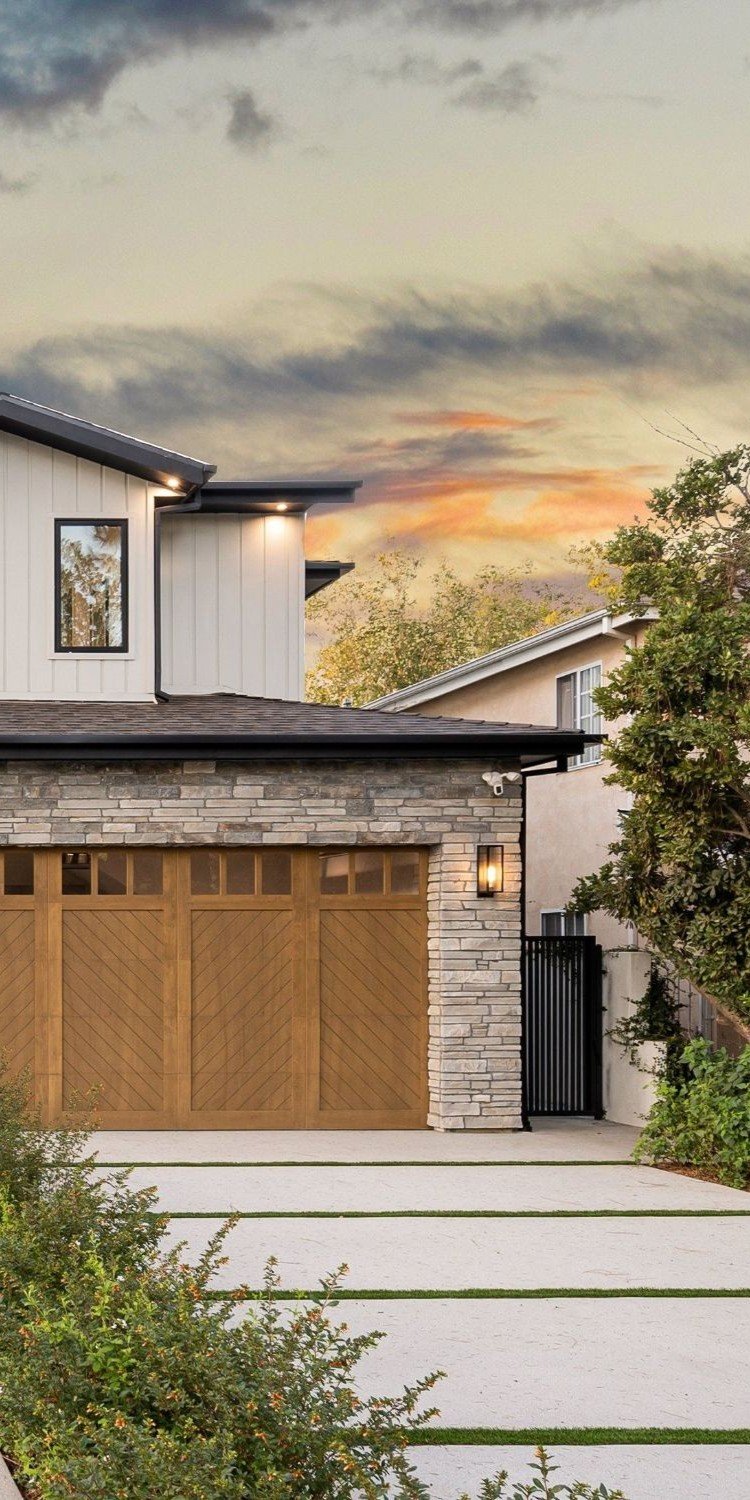
If you are preparing to sell, outdoor living should be viewed through two lenses: lifestyle and presentation. NAR’s 2025 remodeling-impact report found that 97% of members believe curb appeal is important in attracting a buyer, and 92% say sellers should improve curb appeal before listing. In a place like Westlake Village, where outdoor settings are part of the appeal, first impressions matter.
The strongest resale story is usually not about the most expensive feature. It is about a space that looks cared for, functions well, and feels easy for the next owner to enjoy. In practical terms, that often means a cohesive front yard, neat hardscape, usable patio space, healthy landscaping, lighting, and irrigation.
NAR’s 2023 Remodeling Impact Report offers useful cost-recovery context for outdoor projects:
- Standard lawn care service: 217%
- Landscape maintenance: 104%
- Overall landscape upgrade: 100%
- Outdoor kitchen: 100%
- New patio: 95%
- New wood deck: 89%
- Irrigation installation: 83%
- Landscape lighting: 59%
- In-ground pool addition: 56%
The takeaway is straightforward. Well-maintained, usable, low-maintenance outdoor space tends to offer the safest value story, while more specialized features may be more about personal enjoyment than broad resale impact.
Pools are a lifestyle feature
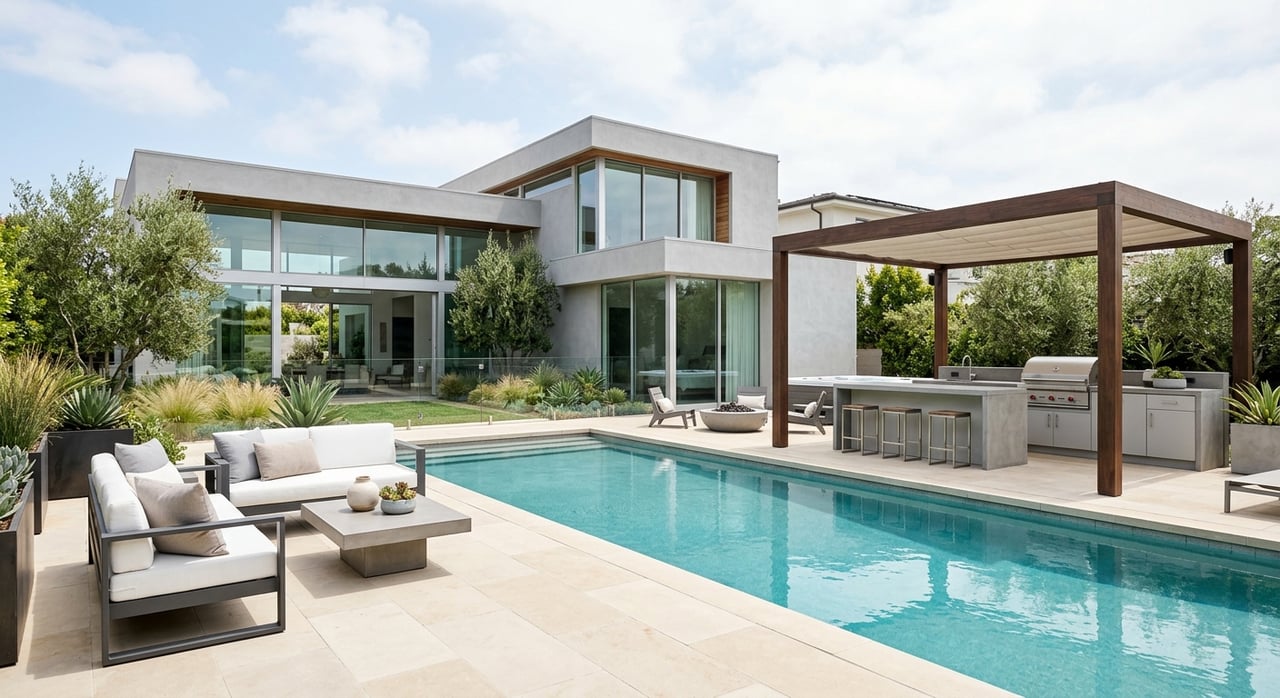
In Westlake Village, a pool can absolutely enhance how a home lives. It may support entertaining, relaxation, and the Southern California indoor-outdoor feel many buyers are after. But from a resale standpoint, it is better to frame a pool as a lifestyle feature rather than a guaranteed return-on-investment upgrade.
That distinction matters when you are planning improvements before a sale. If your goal is broad appeal, maintenance, lighting, patio usability, and landscape presentation usually provide a more dependable value message. If your goal is personal enjoyment while you live in the home, a pool may still make perfect sense.
Smart outdoor upgrades for Westlake Village homes
Houzz’s 2024 outdoor trends study found that 33% of homeowners renovate outdoor areas to extend living space. Common upgrades include outdoor lighting, plants and trees, low-maintenance plantings, and native plants. Those improvements fit well with what many buyers already want in Westlake Village.
If you are deciding where to focus, these upgrades tend to make sense in this market:
- Layered lighting for paths, patios, and entry points
- Landscape maintenance that keeps the yard clean and consistent
- Low-maintenance planting for easier upkeep
- Usable patio areas with room to dine or lounge
- Shade and privacy that improve comfort
- Irrigation improvements that support healthy landscaping
These choices help outdoor areas feel finished without becoming overly customized. They also support the kind of easy, everyday use that fits the local lifestyle.
Think function before flash
In many cases, the best outdoor improvements are the ones that make a home easier to enjoy right away. Buyers often respond to spaces that feel intuitive, such as a patio just off the living area, a clear seating zone, or a front yard with tidy landscaping and a welcoming entry. Those details help buyers picture themselves living there.
This is especially true in Westlake Village, where outdoor living is often part of the broader setting. Homes with lake, hillside, or neighborhood views can benefit from outdoor spaces that frame the setting rather than compete with it. A simple, polished design often does more than a crowded one.
What to look for when buying
If outdoor living matters to you, pay attention to both the property and the surrounding neighborhood. A beautiful backyard is great, but daily access to parks, trails, sidewalks, and open space may shape your experience just as much. In Westlake Village, that broader context is often a big part of the value.
As you compare homes, consider questions like these:
- How close is the home to a park or trail connection?
- Does the neighborhood support walking, running, or biking?
- Is the outdoor space easy to maintain?
- Does the patio, yard, or balcony feel usable today?
- Does the home’s setting make the most of views or privacy?
These questions can help you move beyond square footage and focus on how a home will actually live. That is often where the best long-term fit becomes clearer.
Why outdoor living is part of the Westlake Village story
Westlake Village outdoor living works because it is supported at more than one level. You have favorable weather, yes, but you also have neighborhood parks, major recreation spaces, trails, sidewalks, and a city layout that encourages outdoor movement. That combination makes it easier to imagine outdoor living as part of your routine instead of an occasional bonus.
For sellers, this means outdoor presentation can play a meaningful role in how buyers experience your home. For buyers, it means looking at both the home and the neighborhood can lead to better decisions. In either case, understanding how outdoor space functions in Westlake Village gives you a more complete view of the market.
If you are thinking about buying, selling, leasing, or evaluating a property in Westlake Village, working with a team that understands how neighborhood lifestyle connects to value can make a real difference. Connect with Sarah Quaker for local guidance tailored to your goals.
FAQs
What makes outdoor living in Westlake Village different?
- Westlake Village combines mild weather with a strong network of sidewalks, bike lanes, parks, and trail access, which makes outdoor activity feel practical for everyday life.
Which Westlake Village neighborhoods feel most outdoorsy?
- Areas with direct park access, such as the First Neighborhood near Berniece Bennett Park, and areas near Westlake Village Community Park and trail connections are among the clearest examples.
What outdoor features matter most when selling a Westlake Village home?
- Curb appeal, landscape maintenance, usable patio space, lighting, irrigation, and an overall well-kept outdoor presentation tend to be the most practical features to focus on.
Are pools a good investment for Westlake Village homes?
- Pools can be a strong lifestyle feature, but the research supports treating them as a personal-use amenity rather than a guaranteed high-return resale upgrade.
How park access affects Westlake Village home lifestyle?
- Park access can shape your daily routine by making walks, recreation, and casual outdoor time easier to fit into normal life, not just weekends.
What should buyers look for in Westlake Village outdoor space?
- Buyers should look at both the home and the neighborhood, including patio usability, maintenance needs, privacy, views, and proximity to parks, sidewalks, and trails.