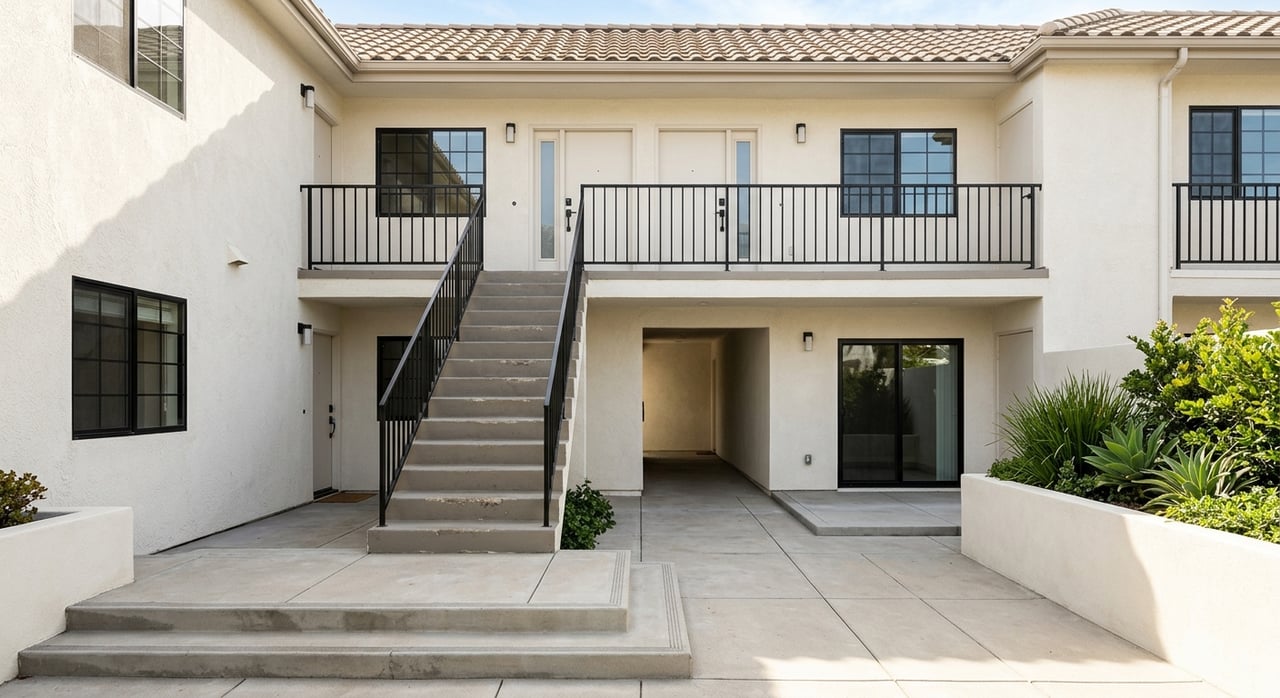
Buying your first home in Simi Valley can feel exciting right up until you start comparing prices, HOA dues, loan terms, and pages of condo documents. If you are trying to decide whether a condo or townhome is the right first step, you are not alone. This guide will help you understand how the Simi Valley market looks, what costs to plan for, and which details matter most before you make an offer. Let’s dive in.
Why Simi Valley condos draw first-time buyers
Simi Valley gives first-time buyers a way to enter a competitive market through attached homes that can cost less than many detached houses. As of the research date, Zillow showed condo listings roughly from $315,000 to $829,000 and townhomes from about $419,900 to $845,000, with many options clustered in the mid-$400,000s to mid-$700,000s.
That matters because the broader Simi Valley market is still competitive. Zillow reported a typical home value of $839,862 as of April 30, 2026, while Redfin reported a March 2026 median sale price of $845,000, about 46 days on market, and Realtor.com classified Simi Valley as a seller’s market in March 2026 with homes selling at about 99% of list price on average.
For many first-time buyers, condos and townhomes offer a practical way to buy into the area without stretching for a detached home. They can also bring shared maintenance and community amenities, which may fit your lifestyle and budget better than a larger property.
Condo vs. townhome basics
A condo is an individual unit inside a larger community of owners. Condo fees often help cover exterior maintenance, common areas, and sometimes utilities, insurance, or reserve funding.
A townhome is usually a multi-level attached home with a private entrance and often a small patio or deck. Townhomes often share one or two walls and may still include HOA fees and shared amenities.
For a first-time buyer, the biggest difference is not just style. It is ownership structure, maintenance responsibility, and the way the HOA can affect your monthly budget and loan approval.
What this means for your lifestyle
If you want less exterior upkeep, a condo may feel simpler to manage. If you want a little more separation, a private entrance, or outdoor space, a townhome may be a better fit.
The right choice depends on how you live day to day. Think about parking, storage, stairs, pet rules, and whether shared amenities are something you will actually use.
Know your full monthly payment
One of the biggest first-time buyer mistakes is focusing too much on the mortgage payment alone. Your real monthly housing cost should include principal, interest, property taxes, insurance, HOA dues, maintenance, and utilities.
That is especially important in condo communities because HOA dues are usually separate from the mortgage payment. Depending on the community, dues can range from a few hundred dollars per month to more than $1,000.
Budget items to include
Before you tour homes, build a monthly budget that includes:
- Mortgage principal and interest
- Property taxes
- Homeowners insurance
- HOA dues
- Utilities
- Routine maintenance
- Savings for repairs or unexpected costs
You should also plan for closing costs. CFPB says closing costs typically run about 2% to 5% of the home price, not including your down payment.
Get preapproved before you shop
In a competitive Simi Valley market, preapproval helps you shop with more confidence and shows sellers that you are serious. It also helps you narrow your search to homes that actually fit your budget once HOA dues and other costs are included.
Preapproval does not lock you into that lender. After your offer is accepted, you can still request and compare Loan Estimates from multiple lenders. CFPB says the Loan Estimate must be provided within three business days of application and shows the interest rate, monthly payment, taxes, insurance, and closing costs.
Why financing can be different for condos
Condo financing is not only about your personal income and credit. Lenders also review the project itself.
According to Fannie Mae, lenders look for issues that affect safety, soundness, structural integrity, or habitability. If a condo project has critical repairs or major deferred maintenance, the loan may not be eligible until those issues are addressed.
That is why first-time buyers should ask early whether a project is considered warrantable and whether there are known repair or assessment issues. A lower list price does not always mean an easier purchase.
Review HOA documents carefully
In California, HOA document review is not a minor step. It is a core part of your due diligence.
California Civil Code 4525 requires the seller of a separate interest in a common-interest development to provide key association documents before title transfer or execution of the sales contract. These can include governing documents, current regular and special assessments, unpaid assessments or fines, unresolved violation notices, rental restriction statements, requested board minutes from the prior 12 months, and the most recent inspection report.
What to look for in the paperwork
The California Department of Real Estate explains that the governing documents spell out how the association operates and what owners are expected to follow under the CC&Rs, bylaws, and rules. These documents can affect how you use the property, what changes you can make, and what fees you may face over time.
As you review the package, pay close attention to:
- Current monthly HOA dues
- Any recent or planned special assessments
- Reserve funding levels
- Maintenance history
- Rental restrictions
- Pet rules
- Parking and storage rules
- Master insurance coverage
- Board minutes that may point to upcoming repairs or disputes
Many buyers focus first on flooring, kitchens, and paint colors. In a condo purchase, the financial health and maintenance pattern of the HOA can matter just as much.
Watch for special assessments and reserve strength
A special assessment is an extra charge owners may have to pay for major repairs or unexpected costs. The California Department of Real Estate notes that associations may use special assessments for big expenses, and HOA costs can rise over time even when home prices do not.
This is one of the biggest reasons to compare communities, not just units. Two similar homes at similar prices can carry very different long-term costs depending on reserve funding and deferred maintenance.
Questions worth asking
When you compare Simi Valley condo or townhome communities, ask:
- Does the HOA have strong reserves?
- Have there been special assessments recently?
- Are any new assessments being discussed?
- Has the community completed major repairs?
- Are there signs of unresolved maintenance issues?
- Are there rental limits that could affect future flexibility?
These questions can help you avoid surprises after closing. They can also help you understand why one community has higher dues than another.
Compare communities, not just listings
When first-time buyers scroll listings, it is easy to compare price per square foot, photos, and finishes. In Simi Valley, a smarter comparison usually goes deeper.
A well-run complex with healthy reserves, clear rules, and stable maintenance may offer better long-term value than a cheaper unit in a project with financial or repair concerns. Looking at the whole community gives you a more accurate picture of what ownership will really feel like.
Smart comparison checklist
Use this checklist when comparing condo and townhome options:
- Purchase price
- Monthly HOA dues
- Special assessment history
- Reserve funding
- Parking setup
- Guest parking availability
- Storage space
- Master insurance structure
- Rental restrictions
- Pet rules
- Maintenance condition of common areas
- Loan eligibility or warrantability
This kind of side-by-side review helps you make a decision based on both affordability and stability. That is especially helpful when you are buying your first home and want fewer surprises.
Look into California first-time buyer help
If you are buying your first home in California, it may be worth exploring CalHFA programs. CalHFA says its MyHome assistance offers deferred-payment junior loans of up to 3.5% of the purchase price or appraised value for FHA loans and up to 3% for conventional loans.
CalHFA also notes that approved condominium or PUD properties can qualify if the first mortgage qualifies. First-time buyers using CalHFA programs must complete homebuyer education and work through approved lenders.
This does not mean every Simi Valley condo will fit program guidelines. It does mean that early planning with the right lender can open up options you may not have considered.
A practical first-time buyer plan
If you want a clear next step, keep your process simple. Start with the numbers, then narrow the communities, then study the documents.
A strong first-time buyer plan looks like this:
- Get preapproved before touring homes.
- Build HOA dues into your monthly budget.
- Compare condos and townhomes based on total cost, not just list price.
- Ask whether the community has reserve strength, pending repairs, or special assessments.
- Review HOA documents carefully during due diligence.
- Compare Loan Estimates after your offer is accepted.
That approach fits how attached-home purchases really work in California. It can also help you move forward with more clarity and less stress.
If you are thinking about buying your first condo or townhome in Simi Valley, local guidance can make the process feel much more manageable. The team at Sarah Quaker can help you compare communities, understand the numbers, and move forward with confidence.
FAQs
What is the difference between a condo and a townhome in Simi Valley?
- A condo is usually one unit within a larger shared community, while a townhome is typically a multi-level attached home with a private entrance and often a patio or deck. Both may have HOA dues and shared rules.
What should first-time buyers budget for when buying a Simi Valley condo?
- You should budget for principal, interest, property taxes, insurance, HOA dues, utilities, maintenance, and closing costs. Closing costs are typically about 2% to 5% of the home price, not including the down payment.
Why do HOA documents matter when buying a Simi Valley condo?
- HOA documents can show monthly dues, special assessments, reserve funding, rental restrictions, rules, and maintenance history. In California, these disclosures are an important part of buyer due diligence.
Can HOA fees affect condo affordability in Simi Valley?
- Yes. HOA dues are usually separate from your mortgage payment, so they can significantly affect your true monthly housing cost and how much home you can comfortably afford.
Can first-time buyers use assistance programs for Simi Valley condos?
- Some first-time buyers may qualify for CalHFA programs, including MyHome assistance, if they meet program requirements, complete homebuyer education, work with an approved lender, and the property qualifies.
Why can condo financing be harder than single-family financing in Simi Valley?
- Lenders may review not only your finances but also the condo project itself. Issues like critical repairs, deferred maintenance, or certain assessment concerns can affect whether a loan is approved for that property.