Trying to choose between a Ventura condo and a beach cottage? You are not just picking a floor plan or a price point. You are choosing a different ownership experience, a different maintenance routine, and in some cases, a different set of rules about parking, rentals, and future updates. If you want to make a smart move in Ventura, it helps to understand how these properties really differ day to day. Let’s dive in.
Ventura Condo vs. Beach Cottage Basics
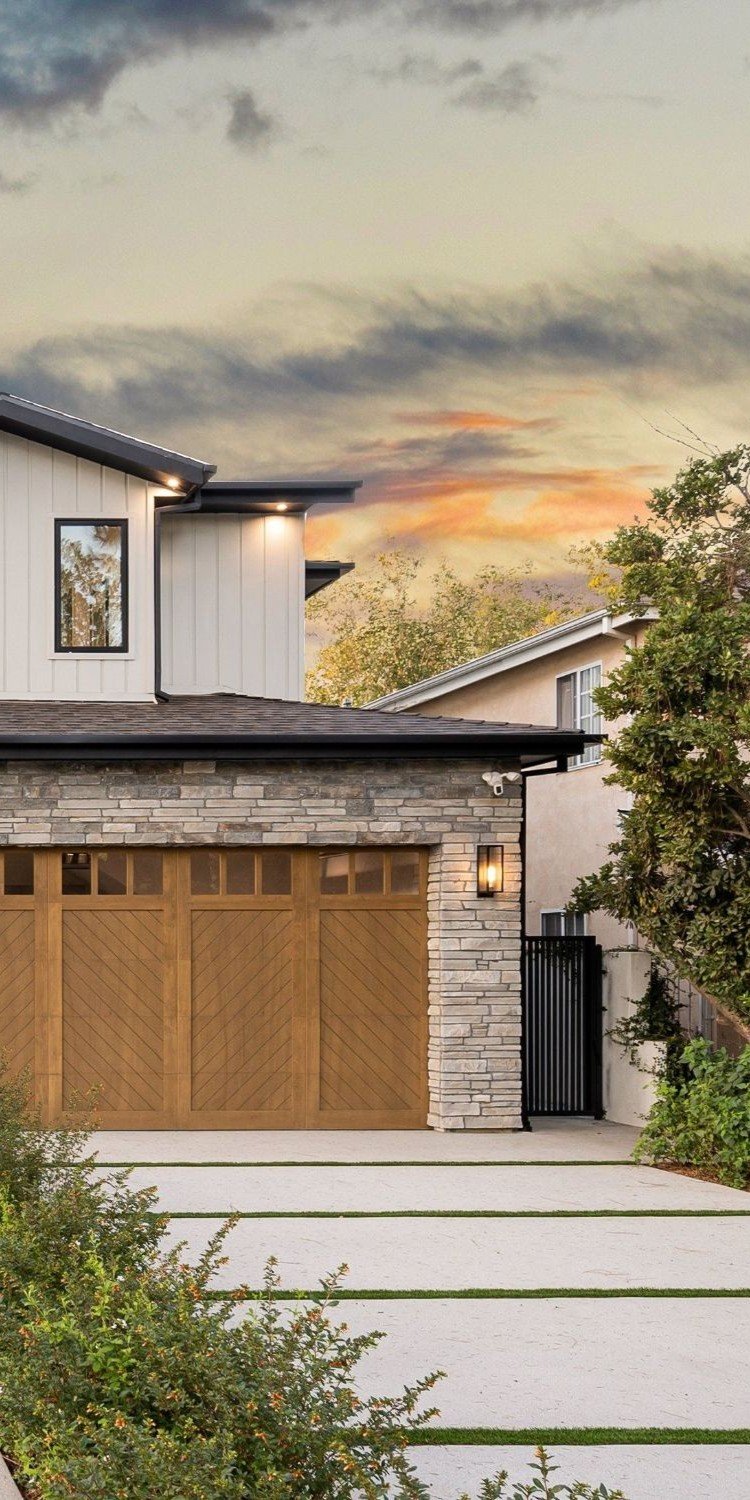
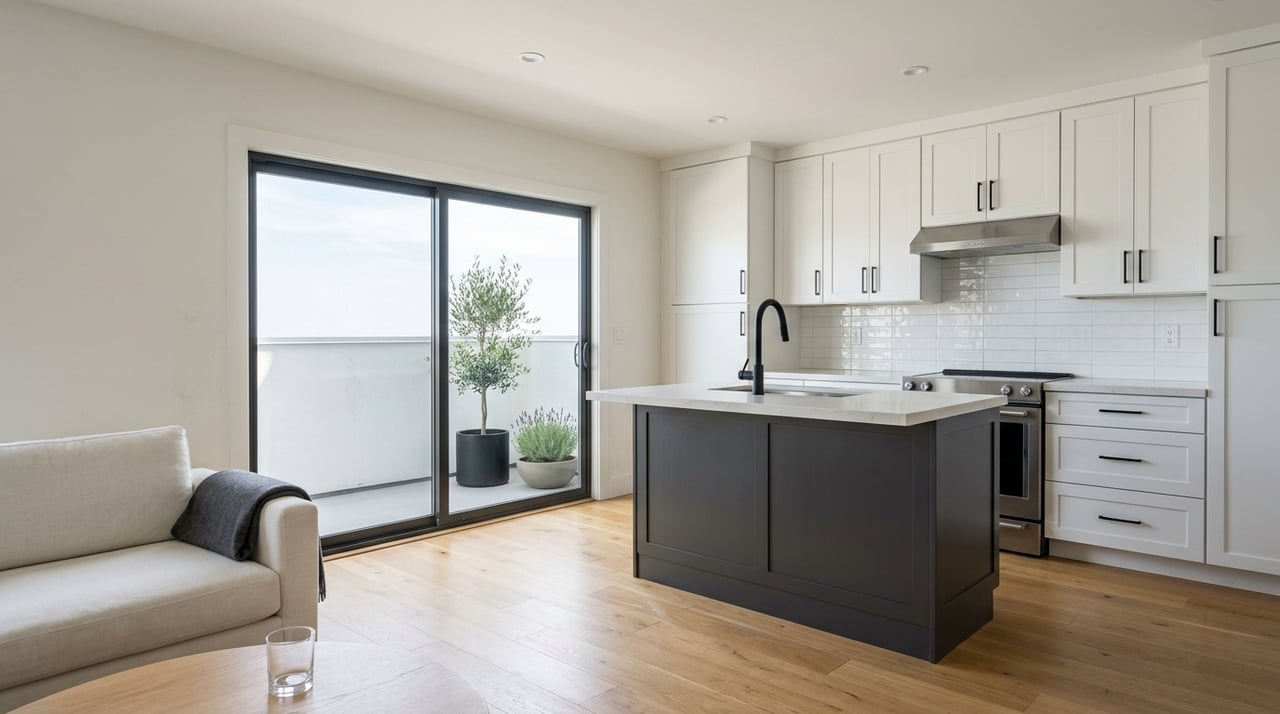
In Ventura, a condo near downtown or the pier and a detached beach cottage closer to the shoreline often appeal to the same buyer for very different reasons. One can offer a simpler, more lock-and-leave lifestyle, while the other may offer more privacy and more direct control over the property.
The biggest difference usually comes down to ownership structure. In California, condo owners in common-interest developments automatically become members of a homeowners association, or HOA. That means your use of the property, your monthly costs, and even some future decisions about the home may be shaped by the HOA’s rules, budget, and maintenance responsibilities.
A detached beach cottage usually gives you more direct control over the home and outdoor areas. At the same time, you are generally more responsible for upkeep, repairs, and long-term planning because there is no HOA buffer managing common areas for you.
Day-to-Day Lifestyle Differences
Parking in Ventura
Parking can feel very different depending on where you buy. Downtown Ventura residents may be eligible for a residential parking permit, and the City notes the program is intended to provide all-day parking. In general, the City states there is no more than one permit per residential unit, and permit availability is tied to available off-street parking spaces.
Near the pier and beach, the parking picture changes. The City highlights public parking structures and lots, including the structure near Ventura Pier, lots near Seaward Avenue and San Buenaventura State Beach, and public streets in Ventura Keys and Pierpont. If parking convenience matters to you, this is one detail worth verifying early.
Outdoor Space and Privacy
Outdoor space is another major difference. A condo may include a balcony, deck, or small patio, which can still give you a comfortable place to enjoy the Ventura weather.
That said, HOA rules may limit what you can place there and may also regulate landscaping and exterior details. With a detached beach cottage, you may have more exclusive-use outdoor space, but the setup depends on the parcel and any HOA or coastal restrictions tied to that property.
Maintenance Expectations
Many buyers like condos because they can feel easier to leave for a weekend or manage with a busy schedule. HOA assessments typically support common-area operations and long-term maintenance, which can reduce the number of exterior tasks you handle on your own.
A beach cottage often gives you more control, but it also tends to bring more hands-on responsibility. If something outside needs attention, you are more likely to be the one arranging and paying for it directly.
What an HOA Changes in a Ventura Condo
Rules and Shared Governance
If you buy a condo in Ventura, you should expect shared governance. California HOAs typically operate under CC&Rs, bylaws, and other rules that govern how the community functions.
Those rules can differ from one development to another. They may cover parking, balcony or deck use, landscaping, and other property details, so reviewing them before you buy is essential.
Dues and Special Assessments
Monthly dues are a standard part of condo ownership. According to the California Department of Real Estate, association budgets are designed to cover common-area obligations, daily operations, and long-term maintenance or replacement.
You should also know that special assessments are possible. If the HOA needs additional funds for repairs or unplanned costs, owners may be required to pay extra beyond regular monthly dues.
Repair Responsibilities
One common question is, “Who fixes what?” In general, interior issues are usually the owner’s responsibility, while the association manages common areas.
That division can make condo ownership feel simpler in some ways, but it also means you need to understand exactly where your responsibility starts and stops. The governing documents help answer that.
What Changes With a Beach Cottage
More Control, More Responsibility
A detached beach cottage usually gives you more independence. You are less likely to have an HOA telling you how shared spaces are maintained because there may not be shared spaces at all.
That extra control can be a big plus if you want more privacy or fewer community rules. The trade-off is that routine upkeep, exterior maintenance, and future repairs are more likely to fall directly on you.
Coastal Zone Review Matters
For shoreline properties in Ventura, coastal rules can play a major role. The City states that development in Ventura’s Coastal Zone must be reviewed to determine whether a Coastal Development Permit is needed.
The City also defines development broadly. It can include new construction, demolition, and alterations or reconstruction of existing structures. That means even projects that seem straightforward may require added review.
Future Remodeling Questions
If you are drawn to the charm of a beach cottage, think beyond the current look of the home. Ventura’s Local Coastal Program update is focused on preparing for sea level rise and other coastal hazards while also protecting beach access and natural resources.
That does not mean every shoreline home faces the same level of constraint. It does mean you should carefully verify what future repair, remodeling, or expansion options may look like before you commit.
Rental Flexibility in Ventura
Condo Rules vs. Cottage Flexibility
If rental income is part of your plan, condo versus cottage is only part of the story. In a condo, the HOA’s rental rules can be just as important as city rules.
Some common-interest developments limit the number of units that may be rented. Others may require lease language stating that the tenancy is subject to HOA rules, and owners can be held responsible for tenant conduct.
A detached cottage without an HOA may offer more flexibility, but only if city zoning and local rules allow the intended use. That is why rental strategy should always be verified property by property.
Ventura Short-Term Rental Rules
Ventura currently defines a short-term vacation rental as a dwelling unit rented for 30 consecutive days or less. The City says an STVR needs an active city permit, an active business license, $1 million in liability insurance, and collection or remittance of transient occupancy tax at 10 percent.
The City also states that acceptance of new STVR applications is currently on hold while the ordinance completes the Coastal Commission certification process. If you are buying with short-term rental plans in mind, this is a critical point to confirm before relying on any income projections.
ADU Restrictions
If a property includes an ADU, Ventura has a separate rule to know. The City says both the primary dwelling and the ADU may only be rented for terms longer than 30 days, and STVR permits cannot be issued for either one.
For buyers comparing a cottage with extra space to a condo, this can affect how useful that extra unit is for your goals. It is one more reason to match the property type to your actual plan, not just the appearance of flexibility.
How to Choose the Right Fit
The right choice often comes down to how you want to live and what responsibilities you want to take on. A condo may fit you best if you want simpler exterior maintenance, shared amenities or common-area care, and a more predictable ownership structure.
A beach cottage may be the better fit if you value privacy, more direct control, and potentially more outdoor space. Just remember that control usually comes with more responsibility, especially near the shoreline where coastal review may affect future changes.
A good decision is rarely about which option is better in general. It is about which option works better for your budget, your routine, your parking needs, and your long-term plans for personal use, updates, or rental income.
What to Verify Before You Buy
Before choosing between a Ventura condo and a beach cottage, make sure you confirm the details that can affect day-to-day life and long-term costs.
- Ask for the HOA CC&Rs, bylaws, rules, budget, reserve information, and recent meeting minutes if you are considering a condo.
- Confirm rules on parking, balconies or decks, pets, rentals, and exterior changes.
- Verify how many off-street parking spaces come with the property.
- Check whether downtown parking permits are available for the address if that matters to you.
- If the home is near the shoreline, confirm whether it is in Ventura’s Coastal Zone.
- Ask whether future additions, demolition, or exterior alterations may require a Coastal Development Permit.
- If rental income matters, verify the HOA rental policy and the City’s current short-term vacation rental application status.
Ventura offers great options for buyers who want either a low-maintenance home base or a more independent coastal property. The key is understanding what you are really buying beyond the listing photos. If you want help comparing property types, reviewing condo documents, or narrowing down the right Ventura fit for your goals, connect with Sarah Quaker.
FAQs
What is the main difference between a Ventura condo and a beach cottage?
- A Ventura condo usually comes with HOA membership, shared rules, and shared maintenance costs, while a beach cottage generally offers more direct control and more direct responsibility for upkeep.
Do Ventura condos have HOA rules about balconies, parking, and rentals?
- Yes. Condo HOAs may regulate parking, balcony or deck use, landscaping, and rentals, so you should review the CC&Rs, bylaws, and rules before buying.
Can a Ventura beach cottage require a Coastal Development Permit?
- Yes. If the property is in Ventura’s Coastal Zone, new construction, demolition, and some exterior alterations or reconstruction may require Coastal Development Permit review.
Are short-term rentals allowed in Ventura properties?
- Ventura says short-term vacation rentals are rentals for 30 consecutive days or less, and they currently require a city permit, business license, liability insurance, and transient occupancy tax compliance. The City also says new STVR applications are currently on hold during the certification process.
Is a Ventura condo or beach cottage better for rental income?
- It depends on the specific property. A condo may be limited by HOA rental rules, and a cottage may still be limited by city rules, zoning, or ADU restrictions, so rental flexibility should always be verified before purchase.