Dreaming about a little more land in Somis? A small acreage property or ranchette can give you room to spread out, plant a garden, keep equipment, or simply enjoy a more rural setting. But buying rural residential property is different from buying a standard neighborhood home, and the details matter. This guide will help you understand what to look for in Somis so you can move forward with more clarity and confidence. Let’s dive in.
Why Somis Acreage Buying Is Different
Buying small acreage or ranchettes in Somis often means you are evaluating more than the house itself. You are also looking at zoning, water source, septic, access, outbuildings, and how the land can actually be used.
In Ventura County, parcel sizes and permitted uses can vary a lot by zoning. The county’s non-coastal zoning table includes zones such as RE at 10,000 square feet, RO at 20,000 square feet, RA at 1 acre, AE at 40 acres, OS at 10 acres, and TP at 160 acres, and suffix zoning can change the minimum lot area. That means two properties that both feel like “ranchettes” may have very different rules and long-term potential.
What “Ranchette” Can Mean in Somis
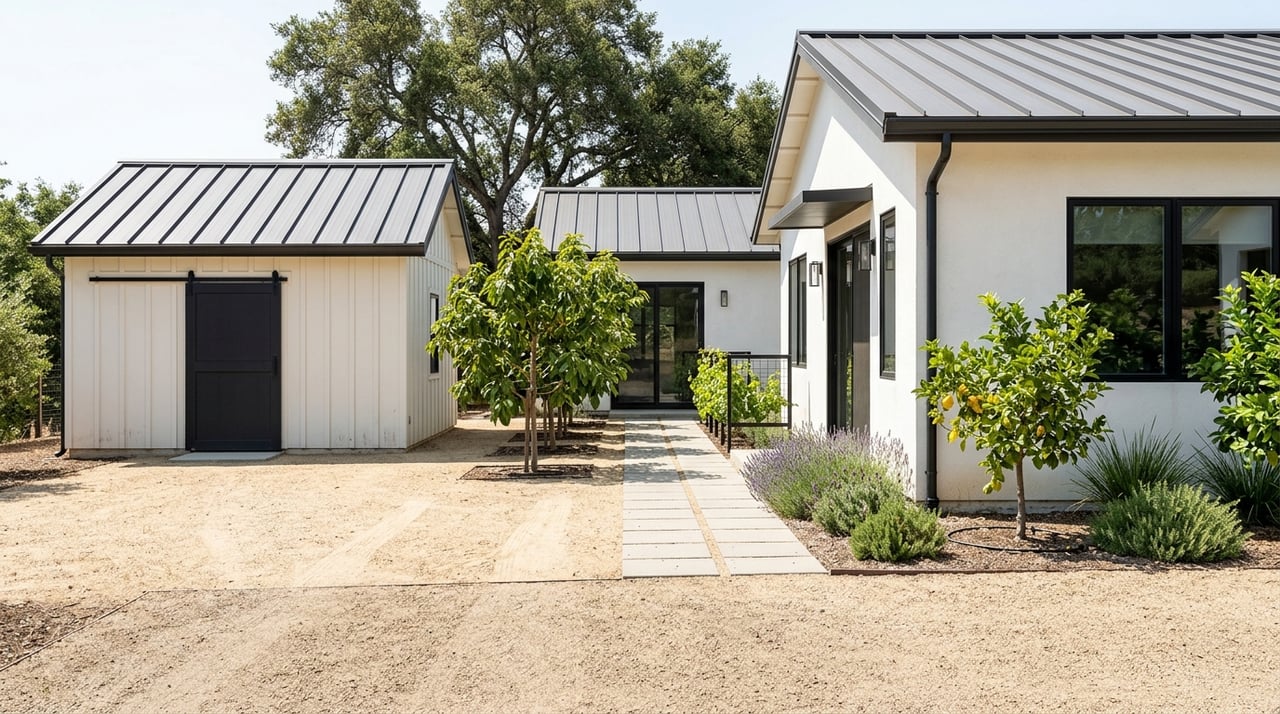
In practical terms, a Somis ranchette might be a modest 1-acre RA parcel or a much larger property in an agricultural zone. That range affects how you compare homes, how lenders view the property, and what kind of due diligence you need.
Ventura County also treats subdivision minimum lot area differently depending on size. For parcels under 10 acres, the minimum lot area is treated as net area, while parcels 10 acres or more are treated as gross area. If lot size is a major reason you are buying, it is worth confirming exactly how the parcel is classified.
Start With Zoning and Allowable Uses
Before you fall in love with a view or a barn, verify the parcel details. Ventura County directs buyers to use the What’s My Zoning tool, APN lookup, and County View GIS to confirm zoning, allowable uses, and minimum lot area.
This step matters because assumptions can lead to expensive surprises. A parcel may appear ideal for horses, a workshop, or expanded outdoor use, but county rules control what is allowed and what permits may be needed.
Check Existing and Future Improvements
A proposed single-family dwelling usually begins with a ministerial zoning clearance in Ventura County. However, the permit can become discretionary in certain situations, including parcels in the Scenic Resources Protection overlay, near a surface-water feature, or in certain coastal areas.
The county also regulates the main residence separately from accessory structures. Barns, sheds, storage buildings, garages, workshops, and other non-habitable agriculture-related structures may have their own standards based on the zone. If a property already has these improvements, you will want to verify how they fit within county rules.
Water Is One of the Biggest Questions
In Somis, water deserves close attention early in the process. Ventura County Waterworks District No. 19 serves the community of Somis and surrounding rural areas, supplying residential, commercial, and agricultural customers.
That said, not every property will have the same setup. A parcel may be served by the county district, a mutual water company, or a private well, and each option can shape your costs, maintenance, and due diligence.
Understand Agricultural Water Limits
County public works says agricultural water service in District 19 is limited to parcels in Districts 1 or 19 and is intended for crop, livestock, and horse-breeding or training uses. If you are buying with plans for meaningful agricultural activity, this is something to verify directly for the specific parcel.
This is especially important if the land is part of your long-term plan. Water availability for a home is one question, but irrigation and agricultural use can be a separate issue.
Private Wells Need Extra Review
Ventura County says a permanent potable water supply is required for domestic plumbing projects, and that supply can come from an onsite well or an approved water purveyor. Public water utility service is not always available in rural areas, so some buyers will be dealing with a private well.
For private wells, the county requires water-quality testing by a state-certified lab, samples less than one year old, a scaled plot plan, a shared-well agreement if applicable, a county-approved pump-and-recovery test, and a site visit. If more than four parcels share one well, the system may need to be treated as a State Small Water System.
Shared Wells Need Careful Documentation
If a property relies on a shared well, make sure the agreement is properly recorded. Ventura County says shared-well agreements must be recorded on the deeds for both the supplier and supplied parcels.
The county also recommends working with an attorney familiar with water-rights issues. For buyers, that is a strong reminder that shared water arrangements are not something to gloss over.
Septic, Access, and Site Conditions Matter
Many Somis acreage properties rely on septic rather than sewer. In Ventura County, septic is treated as an OWTS, and new systems are site-specific based on factors such as bedroom count, soil permeability, groundwater depth, slope, and nearby water bodies.
The county also notes that an alternative OWTS may trigger a sewer connection requirement if the property is within one-half mile of available public sewer. In other words, the site itself plays a major role in what is possible and what future costs may look like.
Read the Land, Not Just the Listing
With acreage, the physical layout of the land can be just as important as the square footage of the home. The county’s well-certification plot-plan checklist looks at wells, water lines, water tanks, structures, septic systems, and animal pens.
That is a helpful reminder for buyers. Features like grading, drainage, fencing, tank placement, and access routes can all affect usability, permitting, and even how a property is viewed during appraisal.
If You Want Orchards or Gardens
A ranchette lifestyle often comes with plans for fruit trees, raised beds, or small-scale growing. UC ANR recommends adequate sunlight, suitable soil, wind protection, and enough space for a backyard orchard, and its edible-gardening guidance advises planting only what you can realistically maintain and choosing crops suited to the climate.
That sounds simple, but it is a smart filter for property tours. A charming parcel may not offer the sun exposure, irrigation setup, or wind protection you would want for productive growing.
If You Want Horses or Horse Facilities
Horse property requires more than open land. UC ANR recommends a stall or pen, shelter or shade, a clean accessible water source, manure storage or composting, forage, and hay storage.
Ventura County’s agricultural water-service rules also show that horse breeding or training for sale is treated as agricultural use. If horses are part of your plan, inspect irrigation capacity, drainage, fencing, manure handling, and room for turnouts or equipment before assuming the property will function the way you want.
Financing May Not Work Like a Typical Home Loan
One of the biggest surprises for acreage buyers is financing. Fannie Mae says it does not purchase or securitize mortgages on agricultural properties such as farms or ranches, vacant land, or land-development properties.
At the same time, rural homes can still be eligible if the appraiser shows the property is a typical residential property for the neighborhood. Fannie Mae also says the site should generally conform in size, shape, topography, utilities, access, and amenities, and appraisers must evaluate parcel size, zoning, and outbuildings or site features that may affect marketability.
What This Means for Somis Buyers
In simple terms, financing often depends on whether the property behaves more like a residential home with acreage than a true agricultural operation. Legal access, potable water, workable septic, and comparable sales that support the land value can all play an important role.
This is one reason small acreage purchases need careful planning from the start. A property that feels perfect in person still needs to make sense on paper for the lender and appraiser.
Fire Zone Due Diligence Is Important
For some Somis properties, wildfire-related review should be part of the buying conversation. Ventura County Fire Department says that as of January 1, 2026, sellers in High or Very High Fire Hazard Severity Zones must provide defensible-space compliance documentation.
The district says its requirements are more restrictive than state law, inspects a 100-foot zone around structures or to the property line, recommends at least two weeks of lead time before escrow, and uses APN-based requests for unincorporated Ventura County. If a property is in one of these zones, it makes sense to account for timing and compliance early.
A Smart Due Diligence Checklist for Somis Ranchettes
If you are serious about buying small acreage in Somis, focus on the basics first:
- Verify zoning, allowable uses, and minimum lot area with Ventura County tools
- Confirm the water source, whether public, mutual, private well, or shared well
- Review well testing, shared-well agreements, and pump documentation if applicable
- Ask about septic or OWTS condition, location, and any site constraints
- Confirm legal access and how the property is reached and serviced
- Review barns, workshops, sheds, garages, and other structures for how they fit county rules
- Walk the land for drainage, fencing, irrigation layout, pens, tanks, and usable flat areas
- Discuss financing early if the property has agricultural features or unusually large land area
- Check whether fire-zone compliance documentation may be required
Why Local Guidance Helps With Rural Properties
Acreage purchases have more moving parts than a typical suburban home search. You are balancing lifestyle goals with county rules, utility realities, site conditions, and lender expectations.
That does not mean the process has to feel overwhelming. With the right local guidance, you can narrow in on properties that truly fit your goals and avoid wasting time on parcels that look better online than they work in practice.
If you are thinking about buying small acreage or a ranchette in Somis, working with a local team that understands Ventura County property differences can make the process much smoother. Reach out to Sarah Quaker for thoughtful guidance as you evaluate land, lifestyle, and long-term value.
FAQs
What should you verify before buying a ranchette in Somis?
- You should verify zoning, allowable uses, minimum lot area, water source, septic or OWTS setup, legal access, and the status of any barns, sheds, workshops, or other site improvements.
How do water services work for Somis acreage properties?
- Somis is served by Ventura County Waterworks District No. 19, but some properties may rely on a mutual water company or a private well, so each parcel needs individual verification.
Can you keep horses on a small acreage property in Somis?
- That depends on the parcel’s zoning, water setup, and site conditions, and buyers should closely inspect fencing, drainage, water access, manure handling, and usable space before assuming horse use will be practical.
Are septic systems common on small acreage in Somis?
- Yes, some rural properties may use septic, and Ventura County treats these systems as OWTS with site-specific requirements based on the land and the proposed use.
Is financing harder for Somis ranchettes than for standard homes?
- It can be, because financing often depends on whether the property is viewed as a typical residential home with acreage rather than a true agricultural property, and appraisers will review land size, utilities, access, zoning, and outbuildings.
How can you confirm a Somis parcel’s zoning and land-use rules?
- Ventura County directs buyers to use the What’s My Zoning tool, APN lookup, and County View GIS to confirm zoning, allowable uses, and minimum lot area for a specific parcel.