Looking for space, privacy, and a home that feels more grounded than a typical subdivision? Buying a ranch-style home in Old Agoura can offer exactly that, but it also comes with a different set of questions than you might face in a more standard neighborhood. If you are considering this unique pocket of Agoura Hills, it helps to know what makes the area special, what to watch during escrow, and how to decide if the lifestyle is the right fit for you. Let’s dive in.
Why Old Agoura stands out
Old Agoura is one of the most distinctive residential areas in Agoura Hills. The city describes it as a semi-rural neighborhood with an eclectic mix of older and newer homes on large lots.
That character is not accidental. The Old Agoura overlay was created to help preserve the area’s rustic feel and to prevent overbuilding that could limit the ability to keep horses and other farm animals.
For you as a buyer, that means Old Agoura tends to feel less like a tract development and more like a custom, space-oriented neighborhood. If you are drawn to ranch-style living, that difference matters.
What ranch-style living means here
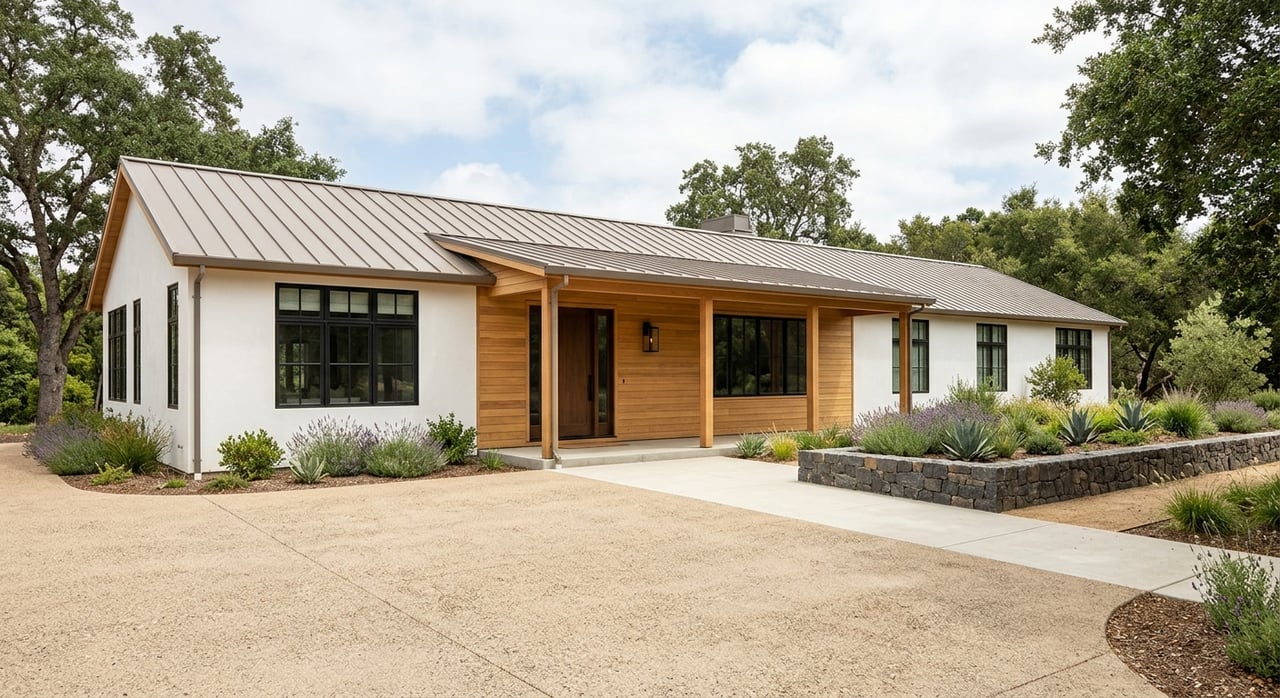
A ranch-style home in Old Agoura often fits naturally with the area’s lot patterns and outdoor focus. Agoura Hills defines very-low-density residential land as 0.2 to 1 dwelling unit per acre on parcels ranging from 1 to 5 acres, while low-density residential land is 1 to 2 dwelling units per acre on roughly half-acre to one-acre estate lots.
In practical terms, you should expect more land, more separation between homes, and more room for outdoor uses than in many nearby neighborhoods. The city’s zoning framework also includes standards such as a 30-foot height limit, 35% lot coverage, and setbacks of 25 feet in the front, 25 feet in the rear, and 12 feet on the side in low-density areas.
That spacing helps support the open, spread-out feel many buyers want when they picture a ranch property. It also affects what you may be able to build, expand, or redesign later.
Expect an established housing stock
Old Agoura is not a new-tract market. The city describes it as a mix of old and new homes, and neighborhood housing data indicates most residential real estate was built between 1970 and 1999, with a smaller share dating from 1940 to 1969.
That can be a plus if you appreciate mature lots, established streets, and homes with character. It also means your due diligence should go beyond cosmetics.
With older ranch-style homes, updates to systems, permits, and site improvements can be just as important as layout or curb appeal. A charming property may still need careful review before you move forward.
Trail access shapes the lifestyle
One of Old Agoura’s biggest draws is its outdoor setting. The city’s general plan says equestrian trails run throughout Old Agoura and provide access to the Santa Monica Mountains.
That trail network is a big part of the neighborhood’s identity. The city also supports a broader trail and pathway system for both pedestrian and equestrian travel, and the planned Ladyface Greenway project is intended to include walking, biking, and equestrian trails.
For you, this means trail access is more than a bonus feature. It is part of how the neighborhood functions day to day, especially if you want space for horses, outdoor equipment, or a more rural-residential lifestyle.
Who Old Agoura fits best
Old Agoura tends to appeal to buyers who value privacy, land, and flexibility. If you are a move-up buyer looking for more breathing room, or a first-time acreage buyer who wants a property with room for outdoor living, this area may be a strong match.
The tradeoff is that ownership here can be more hands-on than in a conventional suburban neighborhood. The same features that make Old Agoura appealing, such as larger lots, utility differences, and custom improvements, can also create more maintenance and more detailed due diligence.
If you want a home where the land matters as much as the house, Old Agoura deserves a close look. If you want low-maintenance predictability, it may feel more complex.
Septic should be a top priority
One of the most important details in Old Agoura is utilities. According to the city’s housing element, the majority of Old Agoura does not have sewer lines, and residences are served by individual septic tanks and leach lines.
That makes septic due diligence an early priority in escrow. You will want to verify the system type, condition, maintenance history, and any likely future costs.
This is especially important if you are thinking about adding square footage or making major changes down the road. In a neighborhood like Old Agoura, utility questions can affect both your immediate plans and your long-term budget.
Renovation can be more involved
If you are buying a ranch-style home with plans to remodel, expand, or rebuild, Old Agoura requires a careful approach. The city says the overlay is meant to preserve neighborhood character, maintain rustic building design, and prevent overbuilding.
That means additions and site improvements may involve more planning than they would in a standard tract neighborhood. Corrals, barns, fencing, decks, and additions are all worth reviewing closely.
Before you fall in love with the idea of a renovation, make sure the property supports your goals. A home with a large lot does not always mean every improvement will be simple to approve.
Fire and slope issues matter
Agoura Hills notes that about two-thirds of the city is in a Very High Fire Hazard Severity Zone. The city also requires new homes in that zone to use Class B fire-retardant roofing, non-combustible exterior materials, and sprinklers.
The same housing guidance notes increased setbacks from slopes and larger footings due to geologic and expansive-soil conditions. For a buyer, this means remodeling or rebuilding costs may be shaped by fire-hardening requirements, geotechnical review, and site-specific constraints.
Even if a ranch-style home looks straightforward at first glance, the lot itself may introduce added complexity. That is why hillside and fire-zone review should happen early in your investigation process.
Best questions to ask in escrow
When you buy in Old Agoura, the highest-value questions often go beyond the usual inspection checklist. Based on the city’s guidance, these are some of the most important issues to clarify:
- Is the property served by septic or sewer?
- What is the condition and maintenance history of the septic system?
- Are barns, corrals, fencing, decks, or additions permitted?
- How much of the lot is truly usable for horse keeping or outdoor living?
- Is the home or lot affected by fire-zone, slope, or geotechnical constraints?
- Does the property’s current layout align with Old Agoura overlay expectations?
These questions can help you avoid surprises after closing. They also help you compare homes more accurately, especially when two properties may look similar online but function very differently in real life.
What the market says now
Old Agoura is a supply-constrained market. The city’s housing element notes that opportunities for residential infill in Agoura Hills are primarily limited to Old Agoura, which helps explain why the area often feels more custom and less standardized.
A recent market snapshot shows a median sale price of $1.9 million over the last three months, a median price per square foot of $926, and an average market time of 124 days. Those figures point to a niche market where buyers are often making lifestyle-driven decisions, not just price-per-foot comparisons.
For you, that means patience and property-specific analysis matter. In a market like this, the right home may be worth waiting for, but only if the land, condition, and long-term usability all line up.
How to buy smart in Old Agoura
A smart purchase here starts with clear priorities. Decide early whether your top goal is privacy, horse facilities, outdoor entertaining space, renovation potential, or a move-in-ready ranch home.
Then look at each property through both a lifestyle lens and a due diligence lens. In Old Agoura, the setting can be beautiful, but the details behind the setting are what protect your investment.
The best buying decisions usually happen when you balance charm with facts. If you do that, you can find a ranch-style home that fits the way you want to live now and the way you may want to use the property later.
If you are thinking about buying a ranch-style home in Old Agoura, working with a local team that understands acreage, custom properties, and the details that matter can make the process much smoother. Connect with Sarah Quaker for thoughtful guidance as you compare homes, evaluate lot usability, and navigate the finer points of buying in this unique part of Agoura Hills.
FAQs
What makes Old Agoura different from other Agoura Hills neighborhoods?
- Old Agoura is a semi-rural neighborhood with large lots, an eclectic mix of older and newer homes, and an overlay intended to preserve its rustic character and limit overbuilding.
What should you check before buying a ranch-style home in Old Agoura?
- Focus on septic status, permit history for additions or site improvements, usable lot area, and any fire-zone, slope, or geotechnical constraints affecting the property.
Why is septic inspection important for Old Agoura homes?
- The majority of Old Agoura does not have sewer lines, so many homes rely on individual septic tanks and leach lines that should be reviewed for condition, maintenance history, and future cost implications.
Are ranch-style homes in Old Agoura good for horse property use?
- Many properties may align well with horse-related use because the area is known for large lots, equestrian context, and trail access, but you should confirm actual lot usability and any permitted improvements for the specific property.
Is Old Agoura a competitive real estate market?
- Old Agoura is supply constrained, with limited infill opportunities and a more custom housing stock, so buyers often need to evaluate each home carefully rather than rely on standard neighborhood comparisons.
Can you remodel a ranch-style home in Old Agoura?
- You may be able to remodel, but the Old Agoura overlay, fire-zone requirements, slope conditions, and permit history can all affect what is feasible and how complex the process may be.