Thinking about adding a backyard cottage or garage conversion in Thousand Oaks? You are not alone. Many homeowners want extra space for family, a home office, or reliable rental income. In this guide, you will learn what an ADU is, how California law helps you, the Thousand Oaks permit path, realistic timelines, and a simple worksheet to estimate feasibility and rent. Let’s dive in.
ADU basics in Thousand Oaks
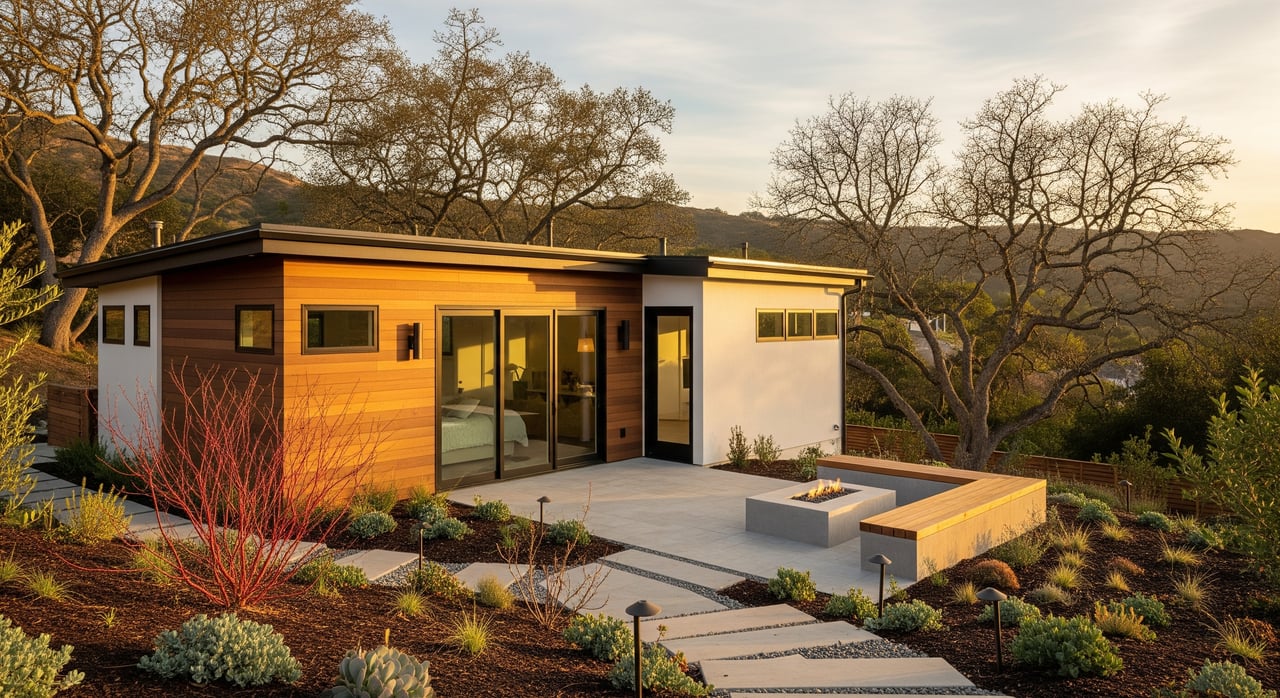
An accessory dwelling unit is a small home on the same lot as your main house. You can build it as a detached unit, attach it to your home, or convert existing space like a garage. A junior ADU is a compact unit created within the existing home with its own entrance.
State law supports ADUs with a streamlined, objective review. Thousand Oaks must allow qualifying ADUs under state rules, while still enforcing building, fire, utility, and other safety standards. Local objective standards still apply, so you will coordinate with Planning, Building, Fire, and utilities.
What California law generally allows
California law sets a statewide baseline for ADUs and junior ADUs. Key principles include:
- Ministerial review when you meet objective standards, which limits subjective design hurdles.
- Guardrails on size, parking, setbacks, height, and owner-occupancy that limit local restrictions.
- Special allowances for converting existing permitted structures like garages and attached spaces.
These rules reduce barriers, but Thousand Oaks will still check zoning, safety, utilities, trees, and site conditions. Always verify current numeric limits and rules directly with the City before you design.
Thousand Oaks permit path: step by step
Follow this practical path to keep your project moving:
1) Pre-application check
- Contact Thousand Oaks Planning and Building to request an ADU intake or pre-application review.
- Confirm your parcel’s eligibility, zoning, setbacks, and any overlay zones such as hillside or wildland interface.
- Verify sewer vs. septic. Septic often adds requirements or upgrades.
2) Prepare submittal documents
Typical items include:
- Completed ADU application.
- Scaled site plan showing lot lines, existing and proposed structures, setbacks, trees, parking, and utility connections.
- Floor plans for existing and proposed areas, plus egress.
- Exterior elevations with height relative to grade and the main home.
- Roof plan and sections as needed.
- Grading and drainage plan if you add hardscape or have slope.
- Utility plans or letters for water and sewer. Septic evaluations if applicable.
- Fire-safety details and coordination with the local fire authority when required.
- Structural plans and calculations.
- Energy and CALGreen forms, including Title 24 compliance.
- Tree protection or removal documentation if protected trees are affected.
- Parking plan if you request reductions or need to show you meet standards.
- HOA documentation if applicable, plus any recorded covenants.
- Fee payments and any environmental checklists the City requests.
3) City reviews and coordination
- Planning checks zoning standards, setbacks, and any design items that are objective.
- Building reviews structural, mechanical, electrical, plumbing, energy, and code compliance.
- Fire reviews access, clearance, and sprinkler needs where applicable.
- Public Works reviews stormwater, driveway curb cuts, and sewer laterals.
- Utilities confirm water meter size, sewer connection, and electrical service.
4) Building permit plan check
After planning sign-off, plan check often involves multiple rounds. Respond quickly to comments to keep things moving.
5) Construction and inspections
Construction timelines vary with scope. Expect inspections at milestones, then a final inspection and Certificate of Occupancy.
How long ADUs take
State law sets decision deadlines for ministerial ADU applications. Once your application is complete, cities commonly must issue a decision within a set period that is often 60 days. If the City marks the application incomplete, they will list missing items and the clock pauses until you resubmit.
Typical regional timing you may see:
- Planning intake and completeness review: about 1 to 4 weeks.
- Ministerial planning approval after a complete submittal: about 30 to 60 days.
- Building plan check: 2 to 3 rounds, often 4 to 12 weeks total depending on complexity.
- Construction: 6 to 12 weeks for small conversions or junior ADUs. Detached new-builds often take 4 to 9 months.
From first contact to final sign-off, many homeowners see 3 to 12 months or more, based on scope, site conditions, and City workload.
Questions to ask Planning first
Bring this checklist to your pre-application meeting:
- Zoning and eligibility: Is my parcel eligible for an ADU or junior ADU? Any overlay zones that change standards?
- Size and height: What are today’s maximum sizes and heights for my lot type? Any lot coverage or floor area limits I should consider?
- Setbacks and placement: What are setbacks for detached, attached, and conversions? Are there reduced setbacks for existing accessory structures?
- Parking: What on-site parking is required, and what reductions or waivers might apply based on transit or driveway layout?
- Utilities: Is my site on sewer or septic? What are the water meter and sewer lateral requirements and fees?
- Fire and safety: What sprinkler, access, hydrant, or defensible space standards apply to my site?
- Permits and review path: Will my project be eligible for ministerial approval? What are current plan check timelines?
- Fees and financing: Which planning, permit, impact, and utility fees apply to my project scope? Any deferrals or local programs?
- Records and covenants: Are recorded covenants required for ADU use or utility easements?
- HOA: How should I coordinate ADU approvals with my HOA?
- Consultants: Do you recommend a surveyor, soils engineer, or arborist for common local site issues?
- Policy changes: Any recent or pending code updates I should know before design?
Design tips for Thousand Oaks
- Prioritize conversions. Converting an existing permitted garage or interior space can reduce cost and complexity.
- Protect trees. Plan your ADU around protected trees to avoid removal permits and delays.
- Budget for fire area needs. Homes near wildland areas may require sprinklers, access improvements, or defensible space work.
- Plan utilities early. Attaching to existing services can be more cost effective than new meters. Confirm capacity and requirements at intake.
- Think parking. Use allowed tandem parking or transit-based waivers when available. Document your case in the site plan.
- Design for energy compliance. Address Title 24 and CALGreen early to avoid redesigns later.
Quick feasibility and rent worksheet
Use this simple tool to sanity check scope, costs, and cash flow before you hire a designer. Replace placeholders with your numbers.
Inputs to gather
- Lot and zoning
- Lot size (sq ft): ______
- Zoning district: ______
- Sewer or septic: sewer / septic
- ADU scope
- ADU type: detached / attached / conversion / junior ADU
- Proposed size (sq ft): ______
- Stories: 1 / 2
- Costs and financing
- Builder cost per sq ft: $____
- Soft costs as % of hard cost: ____% (typical 10 to 30%)
- Contingency %: ____%
- Down payment amount or %: ______
- Interest rate and loan term: ______
- Estimated monthly debt payment: $____
- Rent estimate
- Comparable 1 bedroom rent in Thousand Oaks: $____ per month
- Or rent per sq ft per month: $____
- Operating costs
- Property tax impact or rate: ______
- Insurance increase: $____ per month
- Maintenance and vacancy allowance: ____% of rent (often 10 to 20%)
- Property management fee if used: ____%
Quick math outputs
- Hard cost = size × cost per sq ft
- Soft cost = hard cost × soft cost %
- Contingency = (hard + soft) × contingency %
- Total project cost = hard + soft + contingency
- Monthly rent = higher of comparable 1 bedroom rent or size × rent per sq ft
- Annual gross rent = monthly rent × 12
- Annual operating expenses = gross rent × operating expense %
- Net operating income = gross rent − operating expenses
- Annual debt service = monthly debt payment × 12
- Cash flow before taxes = NOI − annual debt service
- Simple cash on cash = annual cash flow ÷ down payment
- Simple cap rate = NOI ÷ total project cost
Example scenarios (illustrative only)
| Scenario | Size (sf) | Cost/sf | Soft cost % | Contingency % | Rent/sf/mo | Est. Monthly Rent |
|---|---|---|---|---|---|---|
| Conservative | 450 | $375 | 30% | 15% | $2.25 | $1,013 |
| Mid | 600 | $325 | 20% | 12% | $2.75 | $1,650 |
| Optimistic | 750 | $300 | 15% | 10% | $3.25 | $2,438 |
Use these only to see sensitivity. Request a City fee estimate at intake and get at least two to three local contractor bids for real numbers.
How to estimate rent in Thousand Oaks
- Check current local listings for studios and 1 bedroom homes of similar size and quality.
- Adjust for location, privacy, outdoor space, and whether utilities are included.
- Compare finishes. New construction often commands a premium over older apartments.
- Decide on furnished vs. unfurnished. Furnishing and utilities can change rent expectations.
Avoid these common ADU pitfalls
- Treating ADUs as one-size-fits-all. Thousand Oaks has local standards and site conditions that affect design and cost.
- Ignoring fire or septic constraints. These can add work or limit layouts.
- Underestimating soft costs. Design, engineering, energy compliance, and potential utility upgrades add up.
- Submitting incomplete plans. Missing utility letters, tree reports, or drainage details can pause reviews.
- Waiting on HOA approvals. Start HOA coordination early if applicable.
Who to contact locally
- City of Thousand Oaks Planning and Building Division for zoning, submittal checklists, plan check steps, and fees.
- Local fire authority for sprinkler, access, and defensible space requirements.
- Water, sewer, and electric utilities for connection requirements and meter sizing.
- Licensed local architects, ADU designers, and contractors for site-specific feasibility and cost.
- Your title records and HOA for any recorded covenants and association requirements.
Next steps and how we can help
If an ADU is on your radar, start with a pre-application meeting and a written list of required items and estimated fees. Verify sewer or septic, get a utility letter, and request multiple contractor bids before final design. If you plan to rent the unit, a clear leasing strategy and management plan will help your numbers pencil.
Our team advises local owners on rental positioning and can place qualified tenants and manage the property for long-term peace of mind. If you want a neighborhood-grounded perspective on ADU rent potential, marketing, and management in Thousand Oaks, connect with Sarah Quaker. We are here to help you plan the next step.
FAQs
What is the difference between an ADU and a junior ADU in Thousand Oaks?
- An ADU is a separate dwelling that can be detached, attached, or a conversion, while a junior ADU is a smaller unit created within the existing house with its own entrance.
How long do ADU permits take in Thousand Oaks?
- After a complete submittal, ministerial ADU decisions are generally expected within a set state timeline that is often 60 days, with plan check and construction extending the overall schedule.
Do I need on-site parking for my ADU?
- State law limits how cities can require parking and allows reductions or waivers in certain cases, so confirm what applies to your lot, transit access, and driveway layout.
Can my HOA stop me from building an ADU?
- HOAs must align with state ADU laws, but you may still need to submit documentation, so start HOA coordination early and keep records.
Will my ADU need fire sprinklers in Thousand Oaks?
- Requirements depend on site conditions and fire area standards, so confirm sprinkler, access, and defensible space needs with the City and local fire authority.
Can I rent out my ADU and who handles management?
- Many homeowners rent ADUs for long-term income; if you want help with tenant placement and management, our team provides leasing and property management across Thousand Oaks.